Optokinetic
Stimulation
Retraining your brain’s response to visual motion.
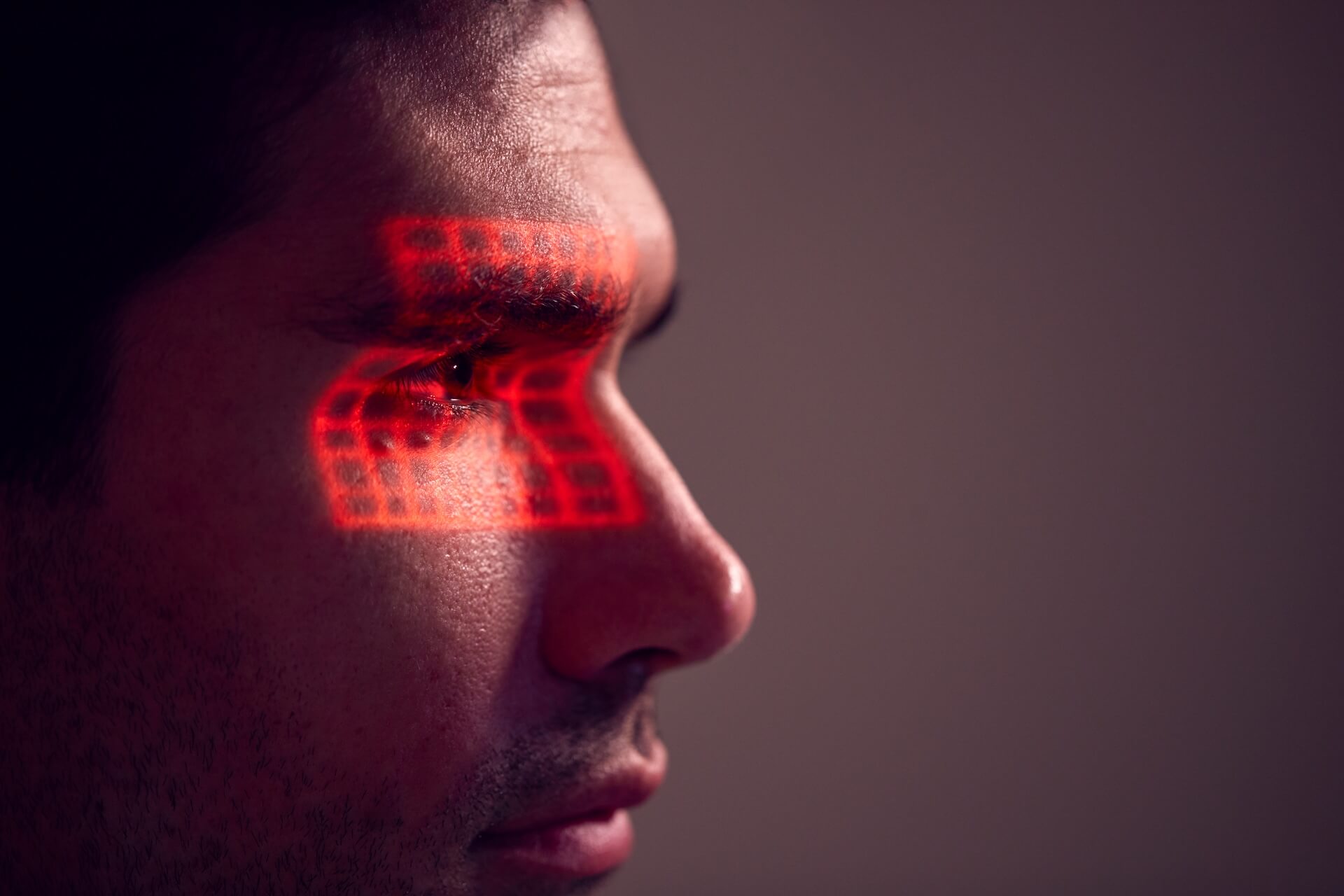
Optokinetic stimulation is a treatment tool that uses moving visual patterns (like stripes or dots) to help desensitize the brain to motion and reduce symptoms of dizziness, disorientation, or visual overload. It’s particularly helpful when visual environments trigger or worsen your symptoms.
What it’s
used for
- Visual vertigo or motion sensitivity
- Persistent dizziness after vestibular neuritis or concussion
- Functional dizziness (such as PPPD)
- Anxiety-linked motion intolerance in visually complex settings
Why it
works
Balance isn’t just about the inner ear. Your brain also relies heavily on visual input to stay oriented. After a vestibular injury or neurological event, the brain can become over-reliant on visual cues, leading to visual dependence and discomfort in busy environments.
By exposing you to carefully graded, repetitive visual motion, optokinetic stimulation promotes habituation and helps the brain recalibrate how it processes movement, reducing symptoms over time.
This approach is backed by research in neuroplasticity and has shown positive results, especially in chronic or functional dizziness.
What to
expect
You’ll stand still while watching specific visual patterns, usually dots, moving in controlled directions and speeds in a dark space. Sessions are short, typically lasting just a few minutes, and are tailored to your tolerance level. The stimulation may feel mildly provocative at first, but it’s safe and progressively adapted to reduce sensitivity over time.
Why clients
appreciate it
Many people with visual motion sensitivity feel dismissed or misunderstood. This treatment modality offers a clear explanation for their symptoms and a structured, evidence-based way to retrain the brain. With regular sessions, patients often report improved confidence in busy environments like malls, traffic, or scrolling on screens.
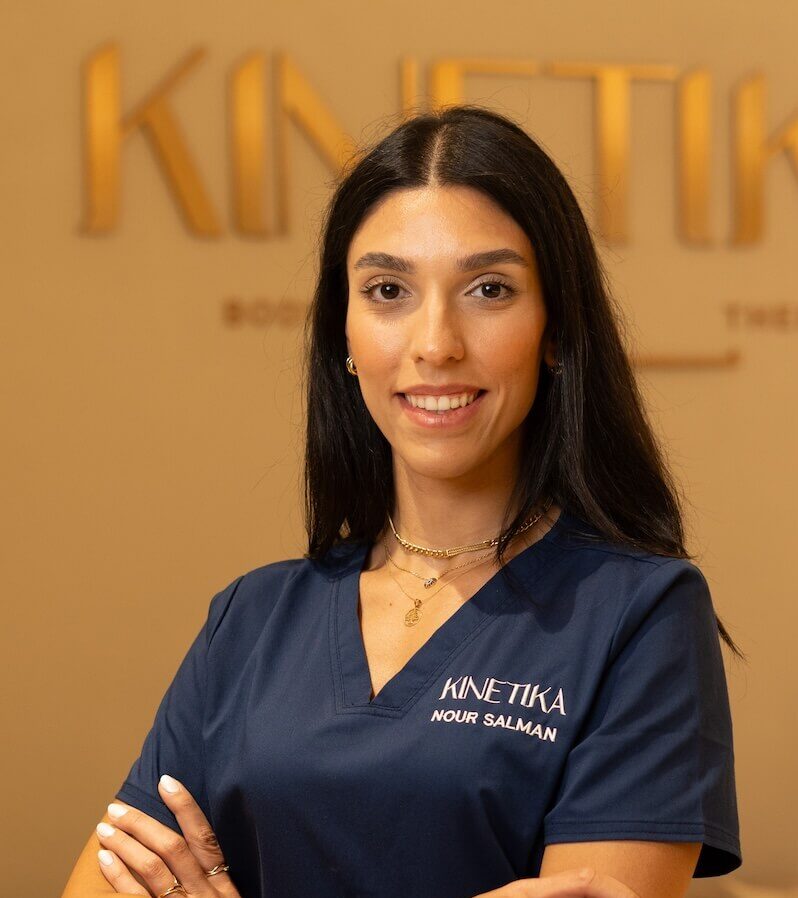
Nour Salman
Physiotherapist
Expertise
Years of Experience: 6+ years
Languages: English, French, Arabic

Expert Team – Skilled multilingual professionals applying the latest research-backed techniques

Premium Experience – Welcoming, modern space focused on comfort and care

Personalized Care – Targeted treatment plans based on in-depth assessments.

Advanced Rehabilitation – Hands-on expertise combined with cutting-edge technology.

Preventive Care – Proactive care to prevent injuries and maintain movement health.

Collaborative Approach – Working closely with healthcare professionals for comprehensive, well-rounded care


