

Frequently asked questions
Understanding Physiotherapy and Your Condition
Some minor issues settle with time. But if your pain is lingering, recurring, or affecting how you move, it usually means something deeper is not being addressed. Physiotherapy focuses on identifying and correcting the cause so the issue does not keep returning.
Yes, but it requires a structured approach. Long-standing issues often mean your body has adapted around the problem. These patterns can be changed, but it takes consistency and the right guidance.
In some cases, yes. When issues are addressed early and correctly, physiotherapy can reduce or delay the need for surgery. If surgery is required, rehabilitation is essential for proper recovery.
Yes. Stiffness, tightness, or restriction are often early warning signs. Addressing them early is what prevents more significant problems later.
We treat a wide range of conditions including joint and muscle pain, sports injuries, post-operative recovery, pelvic health issues, balance disorders, and movement-related dysfunctions. You can find a lot more valuable info here: https://www.kinetika.com/physiotherapy/
If something is not improving, keeps coming back, or is starting to affect your daily life or training, it is worth assessing. Most issues do not resolve properly without understanding the cause.
Your Experience
at KINETIKA
Your first session is a full assessment. We take time to understand your history, analyse how your body moves, and identify the root cause. You leave with a clear explanation and a structured plan.
Yes, in most cases. Once we understand the problem, we begin treatment using the most appropriate approach.
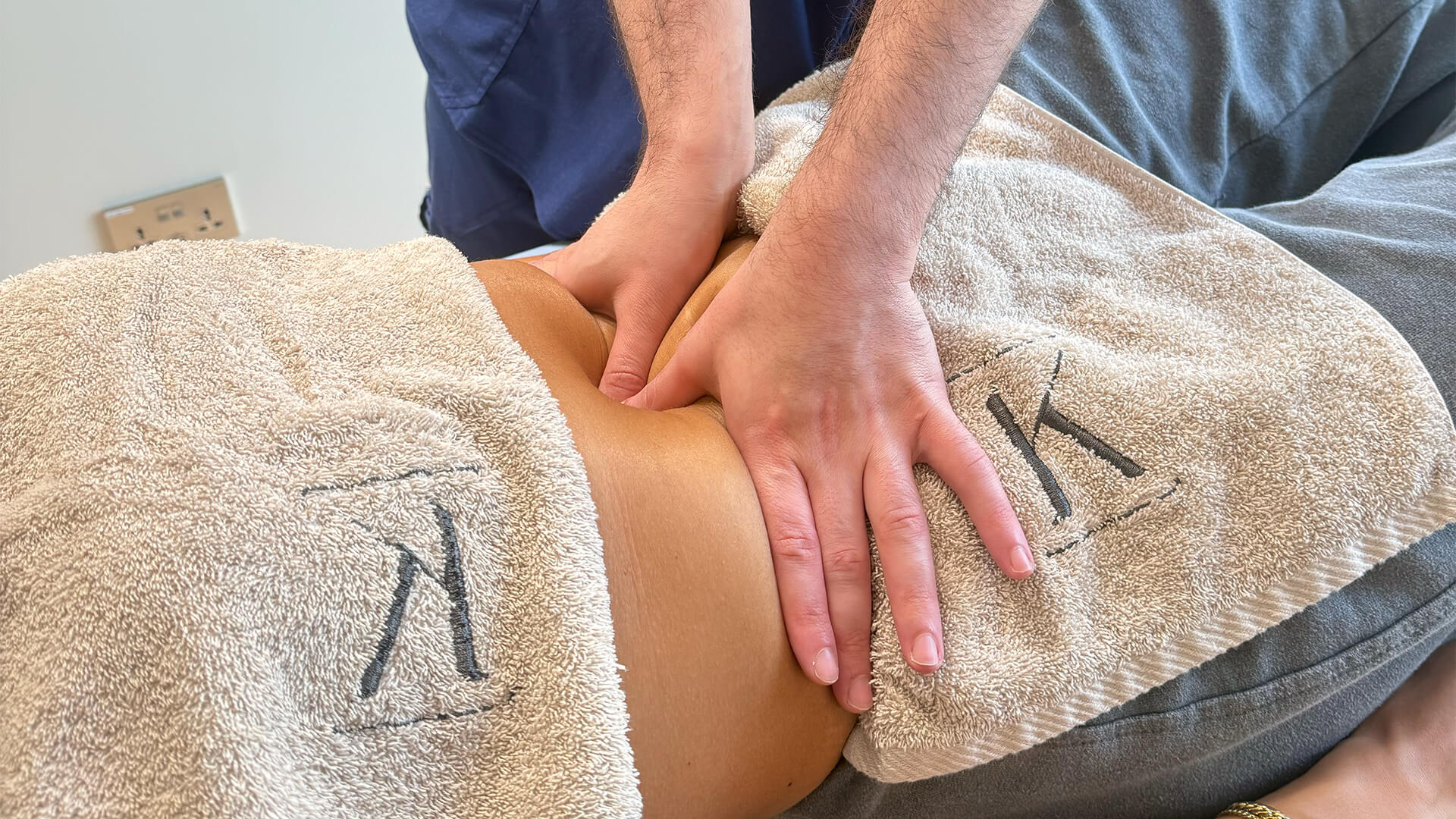
Both, but hands-on therapy and clinical expertise come first. Technology supports treatment, it does not replace it. The effectiveness of any device depends on how it is used. You can find a lot more valuable info here: https://www.kinetika.com/our-approach/
Always. Your plan is tailored to your condition, your lifestyle, and your goals. We also guide you on what to do outside the clinic so progress continues between sessions.
Many people have only experienced symptom-based treatment. Our approach focuses on identifying why the issue is happening and addressing it at its source, while also considering how your lifestyle contributes to it.
Results, Expectations,
and Practicalities
It depends on the issue, how long it has been present, and how your body responds. Our goal is to achieve results as efficiently and sustainably as possible.
Most people notice some change early on, even if subtle. Long-term improvement depends on consistency and the complexity of the condition.
Some techniques can feel intense, but treatment is always controlled and adapted to you. The goal is not to create pain, but to challenge your body in a safe and effective way.
In most cases, yes, with guidance. We help you adjust your activity so you can stay active without worsening the issue.
Comfortable clothing that allows movement. Depending on the area being treated, we may need access to specific areas.
No. You can book directly. If needed, we guide you on whether further medical input is required.
We provide detailed invoices and forms for reimbursement. Coverage depends on your policy.
We will tell you. If your condition requires a different approach, we guide you toward the most appropriate next step.
Looking Beyond
the Symptoms
Massage can help relieve tension and improve circulation, but it usually does not address why the problem is happening.
Physiotherapy goes deeper by identifying the cause of the pain and correcting it, which is what leads to longer-term results.
There is increasing evidence linking frozen shoulder to hormonal changes, particularly during perimenopause and menopause.
These changes can affect tissue sensitivity and joint function. Physiotherapy helps manage pain, restore movement, and guide recovery through each stage.
Yes, particularly when it is related to the jaw joint (TMJ) or surrounding muscles. Jaw pain is often linked to tension, clenching, grinding, or how the jaw moves. It can also be influenced by the neck and posture.
Physiotherapy focuses on assessing how these areas work together and addressing the underlying cause, so the issue does not keep returning.
Because tightness is often a response, not the root issue.
Your body may be creating tension to compensate for weakness or lack of control elsewhere.
Not all pain is structural.
Many issues relate to movement and function, which do not always appear on imaging.
Because your body adapts.
When one area is not functioning properly, other areas take over, which can shift where you feel the pain.
Rest can reduce symptoms, but it does not necessarily fix the problem.
In many cases, the issue returns once you resume activity because the underlying cause was never addressed.
No, but it is often misunderstood.
Dry needling can help reduce muscle tension and pain when used appropriately. But it is not a complete solution.
The value is in how it fits into a broader treatment plan that addresses the underlying cause.
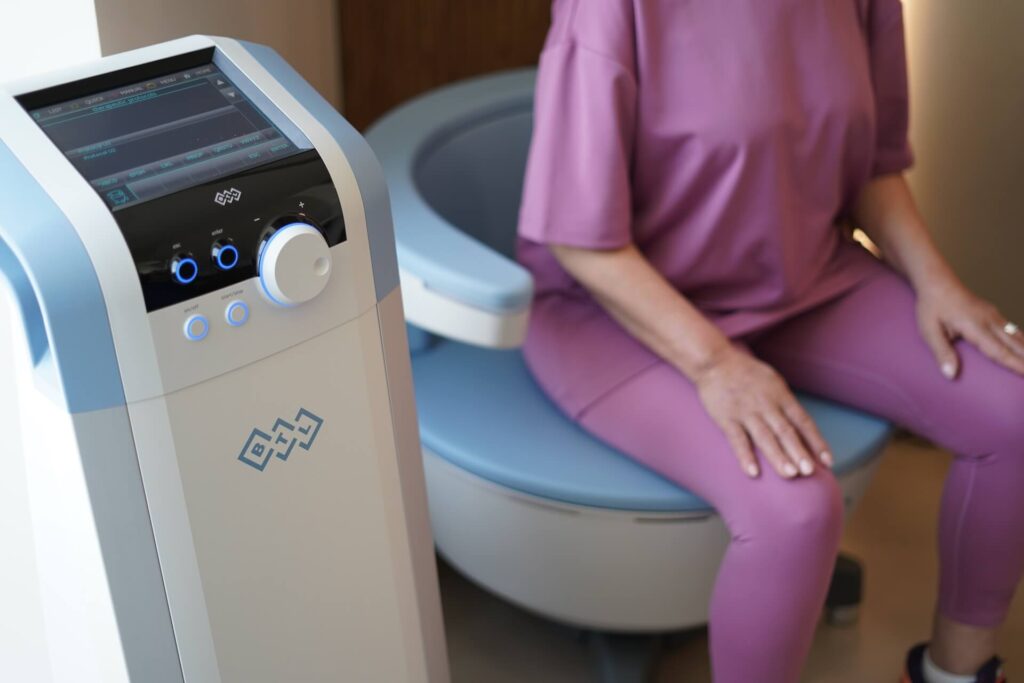
Emsella FAQ's
For more information about Emsella, Please click the button below

Expert Team – Skilled multilingual professionals applying the latest research-backed techniques

Premium Experience – Welcoming, modern space focused on comfort and care

Personalized Care – Targeted treatment plans based on in-depth assessments.

Advanced Rehabilitation – Hands-on expertise combined with cutting-edge technology.

Preventive Care – Proactive care to prevent injuries and maintain movement health.

Collaborative Approach – Working closely with healthcare professionals for comprehensive, well-rounded care