الحلقة المفقودة في علاج الدوار: لماذا يجب أن يكون إعادة التأهيل الدهليزي الخيارَ الأول؟ 

يظل إعادة التأهيل الدهليزي من أكثر التدخلات العلاجية فاعليةً وأقلّها استخداماً في آنٍ واحد، إذ يُشكّل ركيزةً أساسية في معالجة الدوار واضطرابات التوازن. في KINETIKA للعلاج الطبيعي بدبي، نلتقي كل

— min read

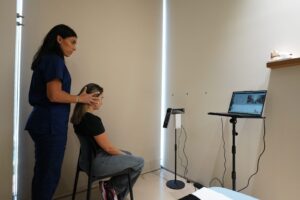
Vestibular rehabilitation remains one of the most underutilized, yet highly effective interventions for dizziness and balance disorders. Every week at KINETIKA Physiotherapy Dubai, we meet patients who have been living with symptoms for months, or even years, despite seeing multiple specialists, undergoing repeated imaging, and trialing various medications. While these steps are often necessary to rule out serious conditions, they rarely address the underlying cause of symptoms in cases such as benign paroxysmal positional vertigo (BPPV), vestibular migraine, persistent postural-perceptual dizziness (PPPD), or unilateral vestibular loss.
Evidence shows that these conditions often respond best to individualized, evidence-based vestibular therapy. This approach is not just about symptom suppression, it’s about retraining the brain and vestibular system to restore function. By using targeted exercises to improve gaze stability, postural control, and sensory integration, vestibular rehabilitation can accelerate recovery, reduce fall risk, and prevent chronic disability.
When this treatment is delayed or overlooked, patients are left struggling with a cascade of preventable consequences: persistent dizziness, loss of confidence, reduced activity levels, and secondary anxiety or depression. In older adults, the stakes are even higher, untreated vestibular dysfunction is a major contributor to falls, a leading cause of injury and hospitalization.
At KINETIKA, we see huge differences when vestibular rehab is initiated early, ideally within days or weeks of diagnosis. Our multidisciplinary approach, working alongside ENTs, neurologists, audiologists, and general practitioners, ensures that patients receive both accurate diagnosis and timely intervention. This collaboration bridges the gap between medical work-up and functional recovery, a link that is often missing in traditional care pathways.
Making vestibular rehab a first-line referral can transform patient outcomes and reduce healthcare costs. Let’s work together to make it the standard of care in dizziness management.
Your Next Step

Ready to move better?

Book a consultation with one of our expert physiotherapists and start your recovery today.

Book a Consultation

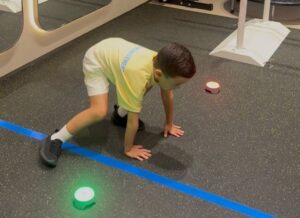
التحفيز البصري الحركي

التحفيز البصري الحركي أداةٌ علاجية تعتمد على أنماط بصرية متحركة — كالخطوط والنقاط — بهدف تحفيز الدماغ تدريجياً على تحمّل الحركة البصرية، وتخفيف أعراض الدوخة والارتباك وما يُعرف بالإرهاق البصري. وهو مفيد بشكل خاص حين تُحفّز البيئات المرئية أعراضك أو تزيد حدّتها.

Read More »

اختبار اهتزاز الجمجمة

يستخدم اختبار اهتزاز الجمجمة اهتزازاً لطيفاً خلف الأذن لتحفيز أعضاء التوازن في الأذن الداخلية، والكشف عن أي اختلاف في الأداء بين الجانبين الأيمن والأيسر. ويُعدّ هذا الاختبار أداةً فعّالة وسريعة للفرز الأولي حين يبدو الدوار أو اضطراب التوازن ذا طابع أحادي الجانب.

Read More »

جهاز المنظار الفيديوي للرأرأة (VNS)

VNS هو أداة تشخيصية تعتمد على نظارات فيديو بالأشعة تحت الحمراء لمراقبة حركات العين وتحليلها مباشرةً في الوقت الفعلي. ونظراً للارتباط الوظيفي الوثيق بين العينين والأذن الداخلية، فإن رصد هذه الحركات يُمكّن من تحديد ما إذا كان الدوار أو اضطراب التوازن لدى المريض ناجماً عن خلل في الجهاز الدهليزي المحيطي أم عن أسباب مركزية.

Read More »

اختبار نبضة الرأس بالفيديو (VHIT)

يُقيّم اختبار VHIT مدى كفاءة منعكس العين الدهليزي (VOR) لديك — وهو المنعكس الذي يُثبّت نظرك حين تتحرك رأسك. يُساعدنا هذا الاختبار على تحديد ما إذا كانت قنوات أذنك الداخلية تعمل بصورة سليمة، لا سيما حين تشعر بالدوار أو بصعوبة في التركيز عند الحركات السريعة.

Read More »

العلاج الطبيعي لكل جسد، كل يوم

العلاج الطبيعي ليس حكرًا على لحظات الأزمات والإصابات — بل هو منهج يومي للحفاظ على جسدك في أفضل حالاته. في KINETIKA بدبي هيلز، نجمع بين التقييم الدقيق والرعاية المستندة إلى الأدلة العلمية لمساعدتك على التحرك بكفاءة أعلى والعيش بقوة أكبر.

Read More »