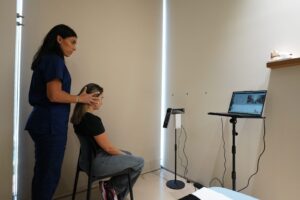
هل يمكن أن يكون الدوار سببه الرقبة؟

الدوار العنقي هو حالة تنشأ حين تُخِلّ اضطرابات العمود الفقري العنقي — كتقييد المفاصل، أو توتر العضلات، أو اضطراب الوضعية — بالإشارات الحسية المنبعثة من الرقبة إلى الدماغ، فتُحدث شعوراً

— min read
One question often comes up, and the answer is, yes. It’s a condition known as cervicogenic dizziness, and it’s more common than many people realize.
Cervicogenic dizziness occurs when dysfunction in the cervical spine, such as joint restrictions, muscle tension, or altered posture, leads to distorted sensory input from the neck to the brain. Since the brain relies on coordinated signals from the inner ear, eyes, and neck to maintain balance and spatial awareness, any mismatch in this input can cause symptoms like a sense of fogginess, unsteadiness, dizziness when turning the head or holding certain neck postures
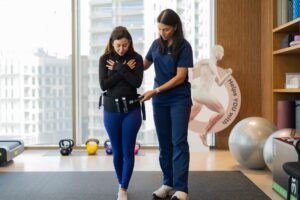
We often see this in individuals with whiplash, neck injuries, or those with chronic postural strain, especially people spending long hours at a desk or on screens.
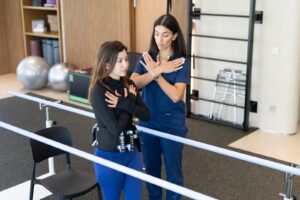
Diagnosing cervicogenic dizziness can be tricky because there’s no single test for it. Instead, it’s identified through a thorough clinical assessment, ruling out other vestibular causes while observing the relationship between neck movement, muscle tone, proprioception, and dizziness.
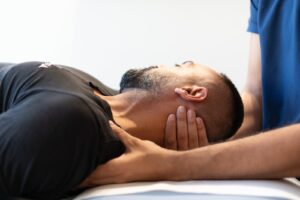
Management typically includes a combination of manual therapy to restore neck mobility, vestibular rehabilitation to retrain balance pathways,and targeted exercises to improve head-neck coordination and sensorimotor control
If your dizziness comes with neck pain, stiffness, or worsens with neck movement, the neck may be a key factor. Recognizing this link is essential to finding the right treatment.
Your Next Step

Ready to move better?

Book a consultation with one of our expert physiotherapists and start your recovery today.

Book a Consultation

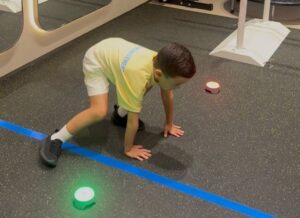
التحفيز البصري الحركي

التحفيز البصري الحركي أداةٌ علاجية تعتمد على أنماط بصرية متحركة — كالخطوط والنقاط — بهدف تحفيز الدماغ تدريجياً على تحمّل الحركة البصرية، وتخفيف أعراض الدوخة والارتباك وما يُعرف بالإرهاق البصري. وهو مفيد بشكل خاص حين تُحفّز البيئات المرئية أعراضك أو تزيد حدّتها.

Read More »

اختبار اهتزاز الجمجمة

يستخدم اختبار اهتزاز الجمجمة اهتزازاً لطيفاً خلف الأذن لتحفيز أعضاء التوازن في الأذن الداخلية، والكشف عن أي اختلاف في الأداء بين الجانبين الأيمن والأيسر. ويُعدّ هذا الاختبار أداةً فعّالة وسريعة للفرز الأولي حين يبدو الدوار أو اضطراب التوازن ذا طابع أحادي الجانب.

Read More »

جهاز المنظار الفيديوي للرأرأة (VNS)

VNS هو أداة تشخيصية تعتمد على نظارات فيديو بالأشعة تحت الحمراء لمراقبة حركات العين وتحليلها مباشرةً في الوقت الفعلي. ونظراً للارتباط الوظيفي الوثيق بين العينين والأذن الداخلية، فإن رصد هذه الحركات يُمكّن من تحديد ما إذا كان الدوار أو اضطراب التوازن لدى المريض ناجماً عن خلل في الجهاز الدهليزي المحيطي أم عن أسباب مركزية.

Read More »

اختبار نبضة الرأس بالفيديو (VHIT)

يُقيّم اختبار VHIT مدى كفاءة منعكس العين الدهليزي (VOR) لديك — وهو المنعكس الذي يُثبّت نظرك حين تتحرك رأسك. يُساعدنا هذا الاختبار على تحديد ما إذا كانت قنوات أذنك الداخلية تعمل بصورة سليمة، لا سيما حين تشعر بالدوار أو بصعوبة في التركيز عند الحركات السريعة.

Read More »

العلاج الطبيعي لكل جسد، كل يوم

العلاج الطبيعي ليس حكرًا على لحظات الأزمات والإصابات — بل هو منهج يومي للحفاظ على جسدك في أفضل حالاته. في KINETIKA بدبي هيلز، نجمع بين التقييم الدقيق والرعاية المستندة إلى الأدلة العلمية لمساعدتك على التحرك بكفاءة أعلى والعيش بقوة أكبر.

Read More »