Pelvic & Visceral Health
Bloating, Constipation & Digestive Discomfort
Bloating, constipation, pelvic pressure, or incomplete emptying are not just digestive issues — they often have a pelvic floor and visceral component that physiotherapy can directly address.
Start here
The Pelvic Floor Plays a Direct Role in Digestion
A hypertonic (overactive) pelvic floor, poor abdominal coordination, or restricted visceral mobility can drive bloating and constipation that no dietary change has resolved.
Book AssessmentUnderstanding the Condition
What Causes Bloating, Constipation & Digestive Discomfort
Hypertonic Pelvic Floor
An overactive or non-relaxing pelvic floor can obstruct normal bowel transit and relaxation during defecation — causing straining, incomplete emptying, and bloating.
Poor Defecation Mechanics
Incorrect breathing, straining posture, or breath-holding during bowel movements increases pelvic pressure and impairs normal emptying over time.
Visceral Mobility Restriction
Fascial restrictions around the colon, bladder, or uterus — from surgery, inflammation, or postural habits — can impair organ movement and contribute to bloating and digestive discomfort.
Diaphragm & Breathing Pattern Dysfunction
The diaphragm and pelvic floor work as a pressure system together. Dysfunctional breathing patterns increase intra-abdominal pressure and disrupt gut motility.
Post-Surgical Adhesions
Abdominal or pelvic surgery (caesarean section, appendectomy, hysterectomy) can create scar tissue that limits gut movement and creates bloating or constipation.
Stress-Driven Gut Tension
The gut-brain axis means chronic stress, anxiety, and nervous system dysregulation directly alter bowel transit and muscle tension in the pelvic region.
How we treat it
The KINETIKA Approach
We assess pelvic floor tone, breathing mechanics, abdominal wall function, and posture to identify what is driving your symptoms.
If the pelvic floor is overactive, we teach it to relax — using manual therapy, breathing techniques, and progressive relaxation exercises.
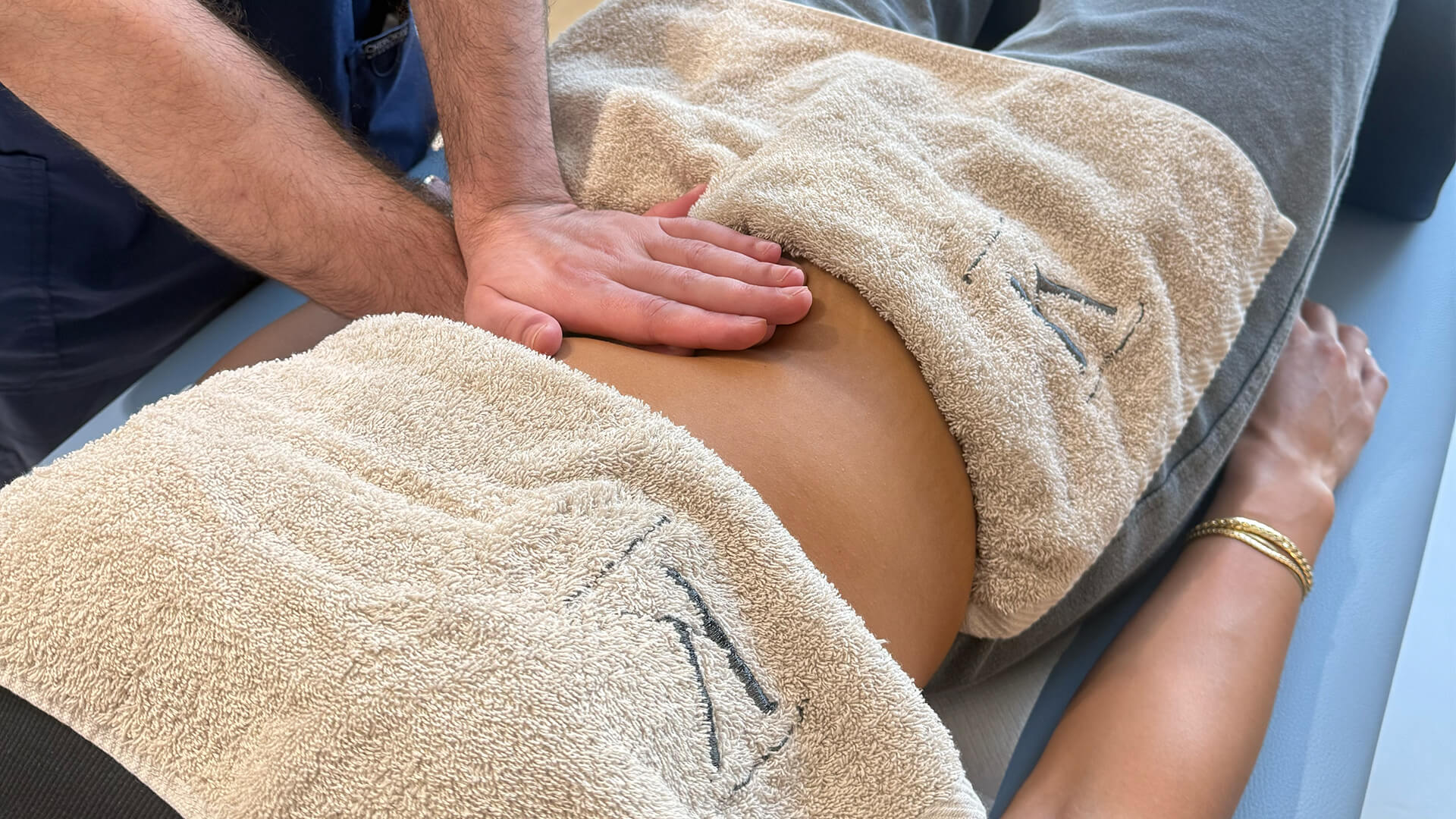
Gentle hands-on techniques to improve mobility of the abdomen and pelvic organs, helping restore normal gut function and reduce bloating.
Positioning, breathing, and toileting technique adjustments that can transform bowel emptying — immediately and sustainably.

Take the next step
Book Your Initial Assessment
Digestive symptoms driven by pelvic floor dysfunction or visceral restriction respond well to physiotherapy. If your bloating or constipation has not resolved with dietary changes alone, we can help find the missing piece.
No referral · Same-week appointments · Private treatment rooms
Common questions
Frequently Asked Questions
Yes — particularly when the cause is pelvic floor hypertonicity, poor defecation mechanics, or visceral restriction. These are physical problems with physical solutions.
Internal pelvic floor assessment is the most accurate way to assess tone and coordination, but it is always your choice. External assessment and treatment is also effective for many cases.
Many patients notice improvement in bowel regularity and bloating within 3–4 sessions once the driver is identified and addressed. Longer-standing issues typically need 8–12 sessions.