Foot Pain & Plantar Fasciitis
That first-step-out-of-bed heel pain can make even simple daily activities uncomfortable. We assess your foot and ankle, strength, mobility, activity levels, and how your foot is loading to understand what may be contributing to your symptoms and build a treatment plan around your needs.
Start here
Get the Right Diagnosis
Heel and foot pain can have several different causes. A detailed assessment helps identify the structures and contributing factors involved, so your treatment can be targeted to your individual presentation.
Book Your Initial AssessmentWhatsApp UsUnderstanding the Condition
Common Causes of Foot & Heel Pain
Plantar Fasciitis
The thick band under the arch becomes irritated and painful, classic first-step-in-the-morning heel pain.
Achilles Tendinopathy
Overuse or sudden load changes irritate the Achilles tendon, causing stiffness and pain at the back of the heel.
Foot Loading & Movement
The way your foot manages load during walking, running, or sport may contribute to symptoms in some people, particularly when combined with changes in strength, mobility, activity, or training demands.
Calf Tightness
Reduced ankle mobility or calf flexibility may influence how load is distributed through the foot and ankle and can be relevant in some presentations of heel pain.
Footwear & Surface Load
Unsupportive shoes, hard surfaces, or a sudden ramp-up in activity overload the foot's soft tissues.
Heel Spurs & Bony Changes
Long-standing fascia tension can lead to calcification at the heel, but the spur itself rarely drives the pain.
How we treat it
The KINETIKA Approach
We assess your foot and ankle mobility, strength, symptoms, activity demands, and how you load your foot during movement to identify the factors that may be contributing to your pain.
Where appropriate, treatment may include soft tissue techniques, manual therapy, taping, and adjustments to activity or training load to help manage symptoms while keeping you moving.
Progressive strengthening of the foot, calf, and lower limb helps build the capacity needed for walking, running, and everyday activity, with exercises progressed according to your symptoms and goals.
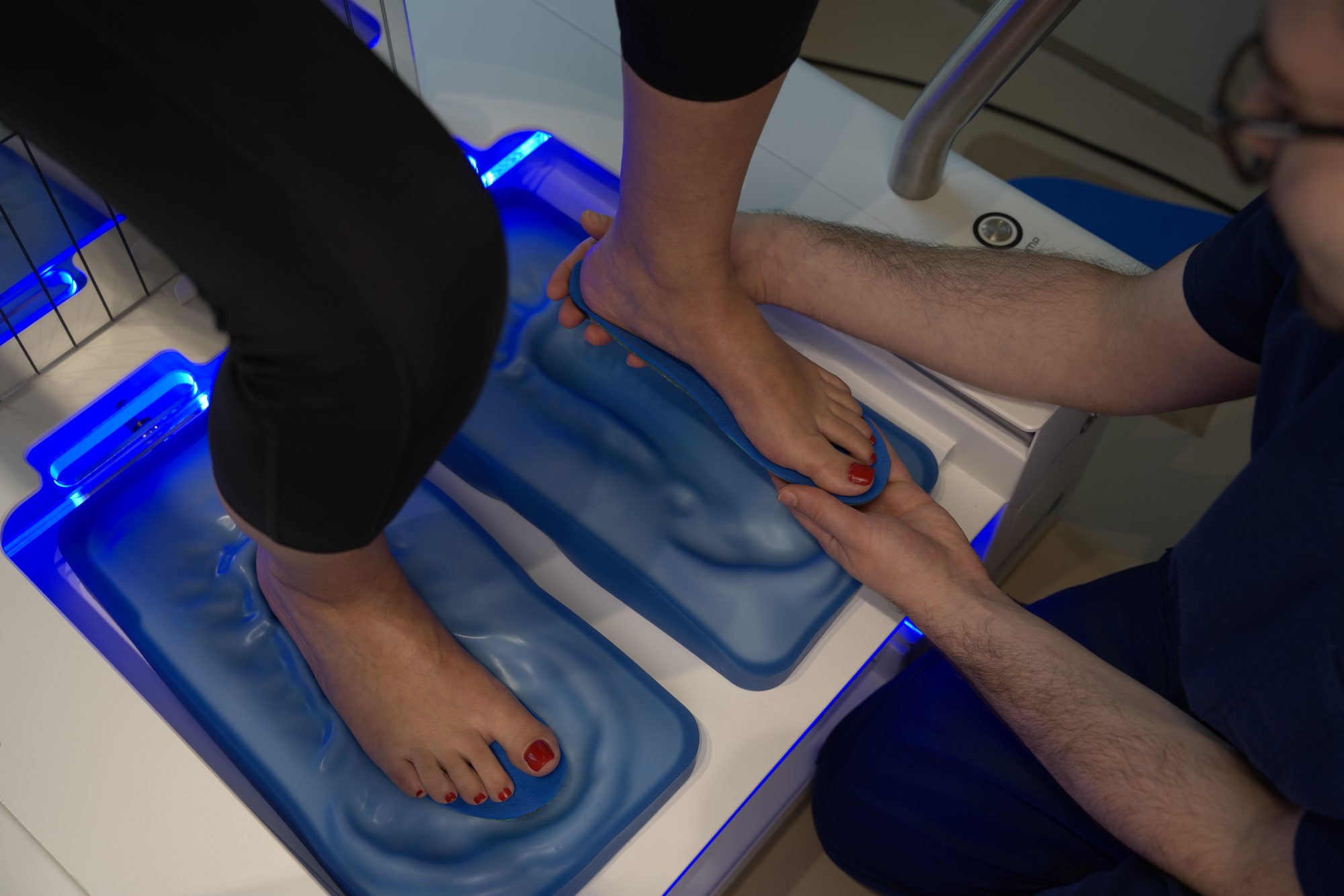
Footwear guidance, custom insoles where indicated, and a home programme so that first-step pain does not return.
Take the next step
Book Your Initial Assessment
Tell us where it hurts and what you've tried. We'll identify the real driver and build a plan that gets your foot working properly again.
Common questions
Frequently Asked Questions
Classic plantar fasciitis is a sharp, stabbing pain in the heel or arch with your first steps in the morning or after long periods of sitting. The pain usually eases as you move, then returns with prolonged standing or walking. If that doesn't match your symptoms, it may be something else, which is exactly why an assessment matters.
Most cases settle meaningfully within 6 to 12 weeks with targeted physiotherapy and loading work. Long-standing cases can take longer, but the trajectory changes quickly once you start addressing the real drivers, calf stiffness, loading patterns, and foot mechanics, rather than just the heel pain itself.
Sometimes yes, often no. Orthotics can be a useful part of the plan for certain foot types, but they're not the starting point. We first assess your movement and loading, then decide if orthotics add value. When they do, we can fit custom insoles in-clinic.
Medically reviewed by the Kinetika Clinical Team · Last reviewed 23 September 2026