Manual Therapy & Osteopathy at KINETIKA
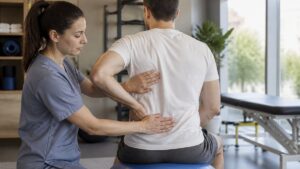
Manual therapy and osteopathic techniques are at the heart of KINETIKA’s hands-on physiotherapy. Our therapists use skilled, specific movements to restore mobility, relieve pain, and support the body’s natural healing, techniques refined across thousands of patient encounters in our Dubai Hills clinic.
Joint Mobilisation
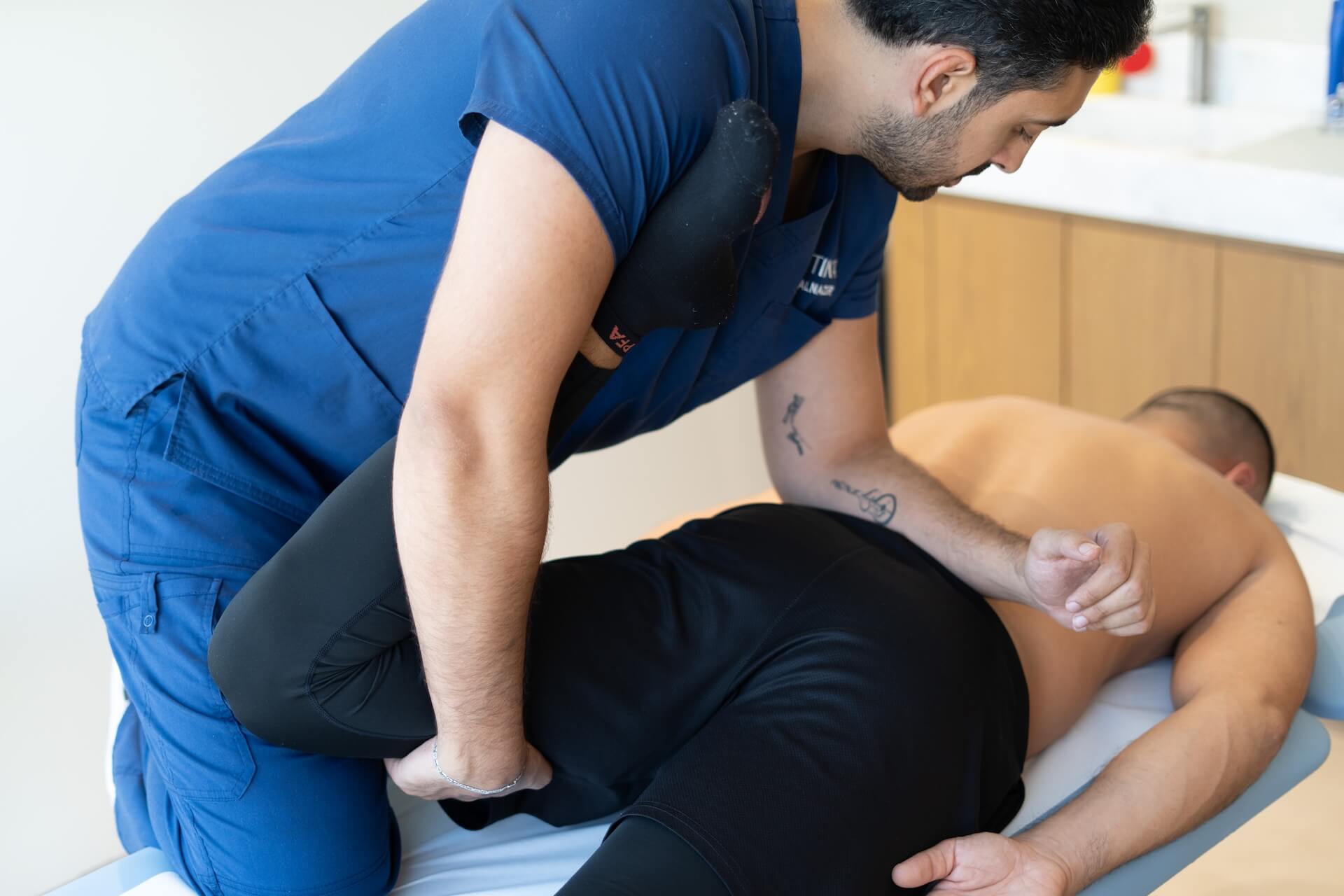
Controlled, graded movements applied to a joint to restore its normal range of motion. Particularly effective for stiff or painful joints in the spine, shoulder, hip, or ankle. Joint mobilisation works by stimulating the joint’s mechanoreceptors, reducing pain signals and improving the nervous system’s perception of movement.
Joint Manipulation (High-Velocity Low-Amplitude Thrust)
A precise, quick movement applied to a restricted joint. The technique associated with the characteristic “click” or “pop.” This restores full range of motion, reduces muscle guarding, and produces immediate pain relief by resetting the nervous system’s response to the joint. Applied only where clinically appropriate.
Soft-Tissue Mobilisation
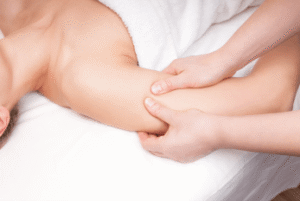
Hands-on techniques targeting muscles, fascia, and connective tissue to reduce tension, break down adhesions, and restore tissue mobility. This includes deep tissue massage, myofascial release, and friction techniques applied to specific areas of restriction or injury.
Myofascial Trigger Point Release
The treatment of trigger points, hyperirritable spots within a taut band of muscle that refer pain to other areas of the body. Your therapist applies sustained pressure or dry needling to release these points, alleviating local and referred pain patterns and restoring normal muscle function.
Muscle Energy Techniques (MET)
An active technique where you contract a specific muscle group against your therapist’s resistance, followed by a stretching or repositioning movement. MET corrects joint positioning, lengthens shortened muscles, and improves range of motion by using your own muscle contractions as the therapeutic force.
Neurodynamic Techniques
Specific movements and positions that mobilise the nervous system, the nerve roots, peripheral nerves, and their surrounding connective tissue. Neurodynamic techniques address the mechanical sensitivity of nerves, commonly seen in sciatica, carpal tunnel syndrome, and other conditions where nerve mobility is compromised.
Visceral Mobilisation
Gentle manual techniques applied to the internal organs and their surrounding connective tissue. Visceral mobilisation addresses restrictions in organ mobility that can refer pain to musculoskeletal regions, contribute to pelvic floor dysfunction, or create postural imbalances. Particularly relevant in pelvic health, post-surgical recovery, and chronic abdominal or back pain presentations.
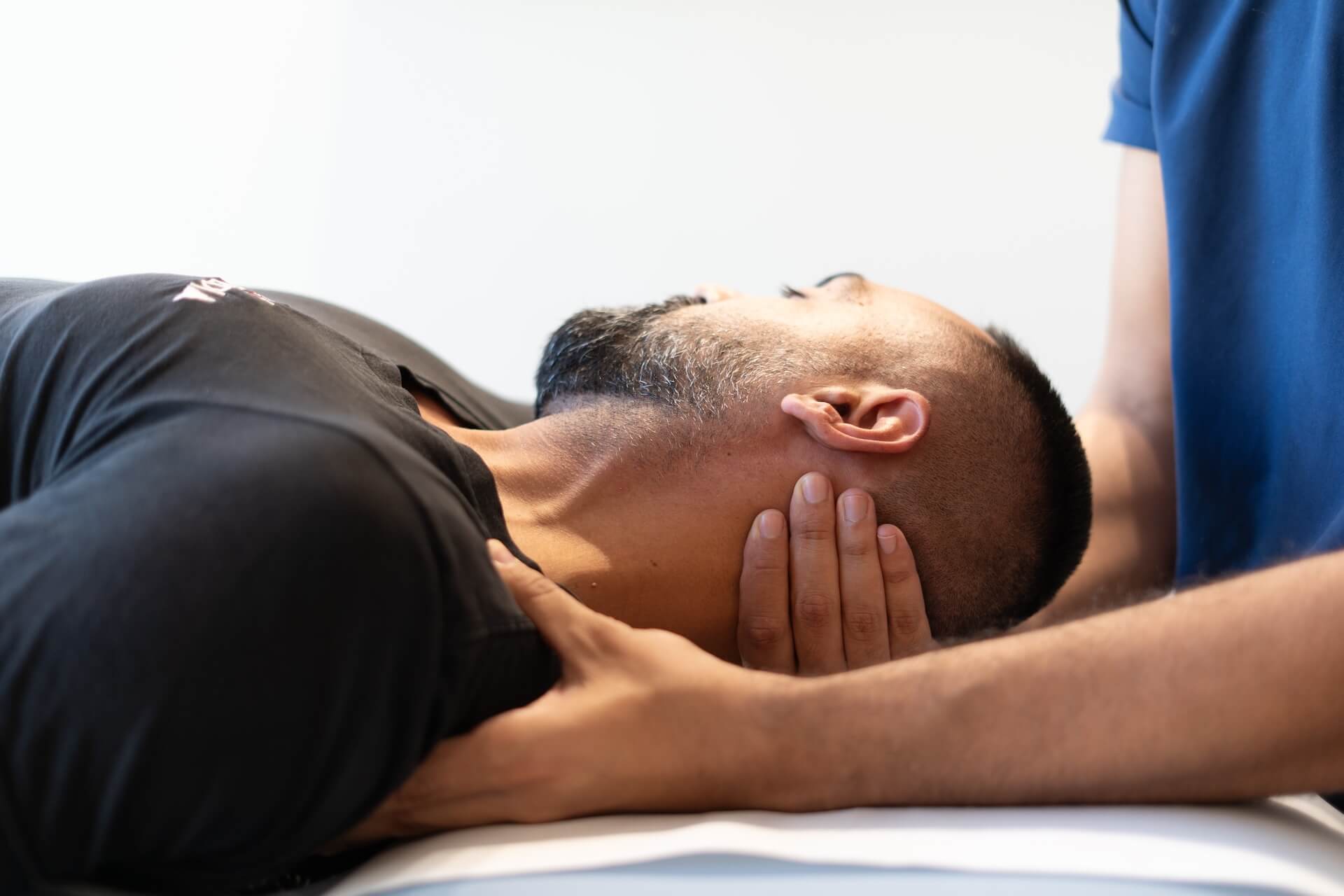
When We Use Manual Therapy
Manual therapy forms part of an integrated treatment plan at KINETIKA. We use it to address the underlying mechanical causes of your pain, combined with therapeutic exercise, patient education, and targeted technology. The goal is never to make you dependent on treatment, but to restore your body’s capacity to move and function independently.