Electro Muscle Stimulation (EMS) at KINETIKA
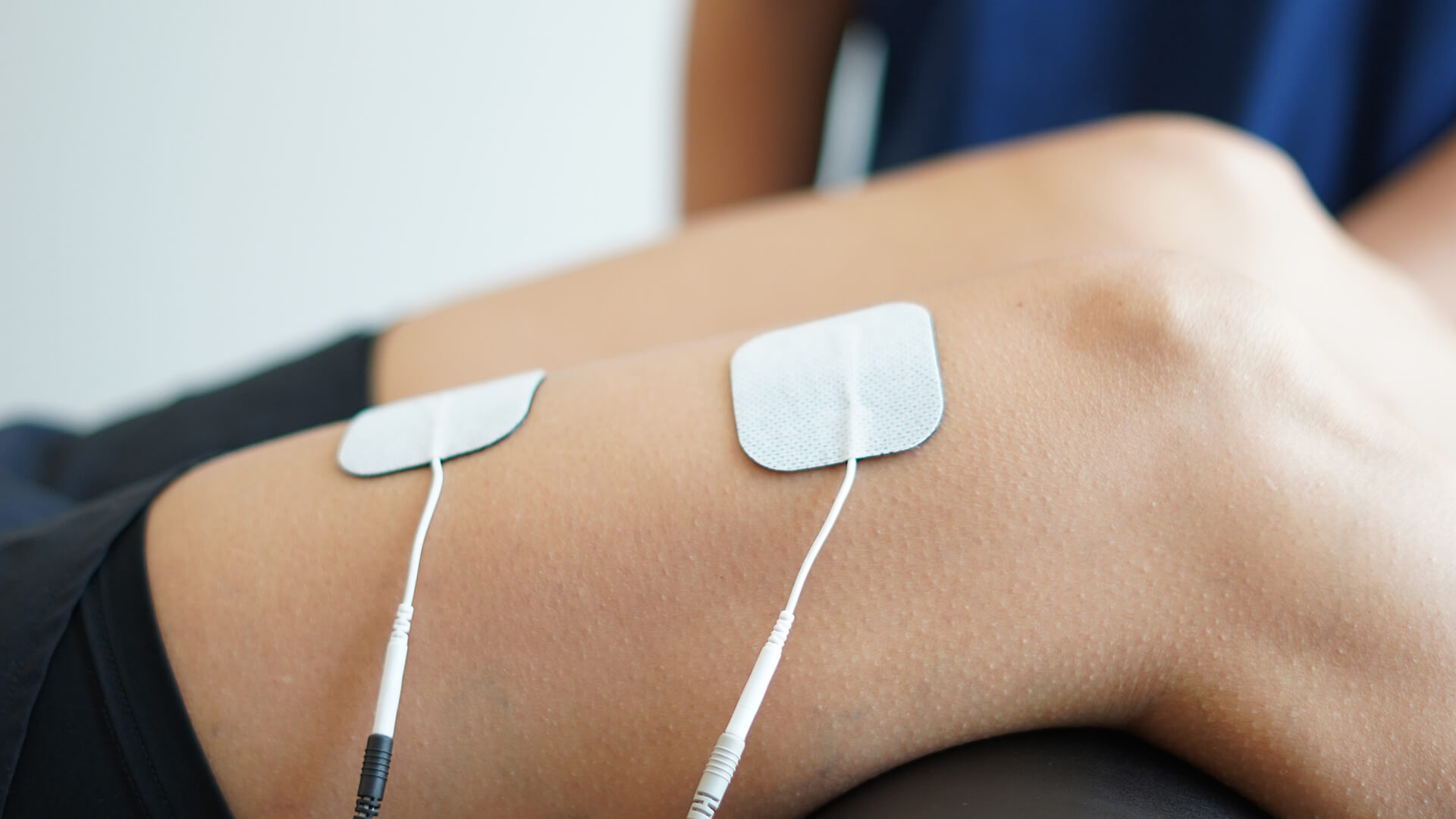
Electro Muscle Stimulation delivers electrical impulses through electrode pads placed on the skin, causing targeted muscles to contract. Unlike TENS, which primarily targets pain modulation, EMS is directed at the muscle itself, making it a powerful tool for re-educating muscle function, preventing atrophy, and augmenting strength training.
How EMS Works
EMS units deliver low-level electrical current that depolarises the motor nerve, producing a muscle contraction. The parameters (frequency, pulse width, and intensity) are adjusted based on the therapeutic goal. Low-frequency EMS (1 to 10 Hz) produces slow-twitch muscle activation relevant to endurance and postural muscles. Higher frequencies (50 to 100 Hz) activate fast-twitch fibres for strength and power applications.
Clinical Applications
Muscle Re-education
Following surgery, neurological injury, or prolonged immobilisation, voluntary muscle activation is often significantly impaired, not simply because of weakness, but because the neural pathway between the brain and the muscle has been disrupted. EMS provides an external stimulus that produces a contraction, helping to re-establish the neuromuscular connection and accelerate motor relearning.
Atrophy Prevention
During the early phases of recovery when loading is restricted, EMS maintains muscle bulk and prevents the rapid atrophy that occurs with disuse. This is particularly important in post-surgical rehabilitation where return to load-bearing is delayed.
Strength Augmentation
EMS combined with voluntary exercise produces greater strength gains than voluntary exercise alone. The electrical stimulus recruits motor units that may be difficult to activate voluntarily, producing a more complete training stimulus. This is used in sports rehabilitation and performance training.
Pain Modulation (TENS effect)
At lower intensities, EMS overlaps with TENS in its ability to stimulate sensory afferents and modulate pain through the gate control mechanism and endorphin release.
What to Expect
EMS produces a visible and palpable muscle contraction. The sensation ranges from a mild tingling at low intensity to a strong, rhythmic contraction at therapeutic levels. Most patients find EMS sessions comfortable and report reduced pain and improved muscle activation following treatment. Sessions typically last 15 to 30 minutes.