Pressotherapy (Lymphatic Drainage)

Pressotherapy uses sequential pneumatic compression to promote lymphatic drainage, reduce swelling, and accelerate recovery — a clinical tool for oedema and performance recovery.

— min read

Pressotherapy at KINETIKA

Pressotherapy — also known as intermittent pneumatic compression (IPC) — uses inflatable garments that apply sequential, graduated pressure from distal to proximal along the limb. This mimics and amplifies the body’s natural lymphatic pumping mechanism, accelerating fluid movement out of swollen or congested tissue.
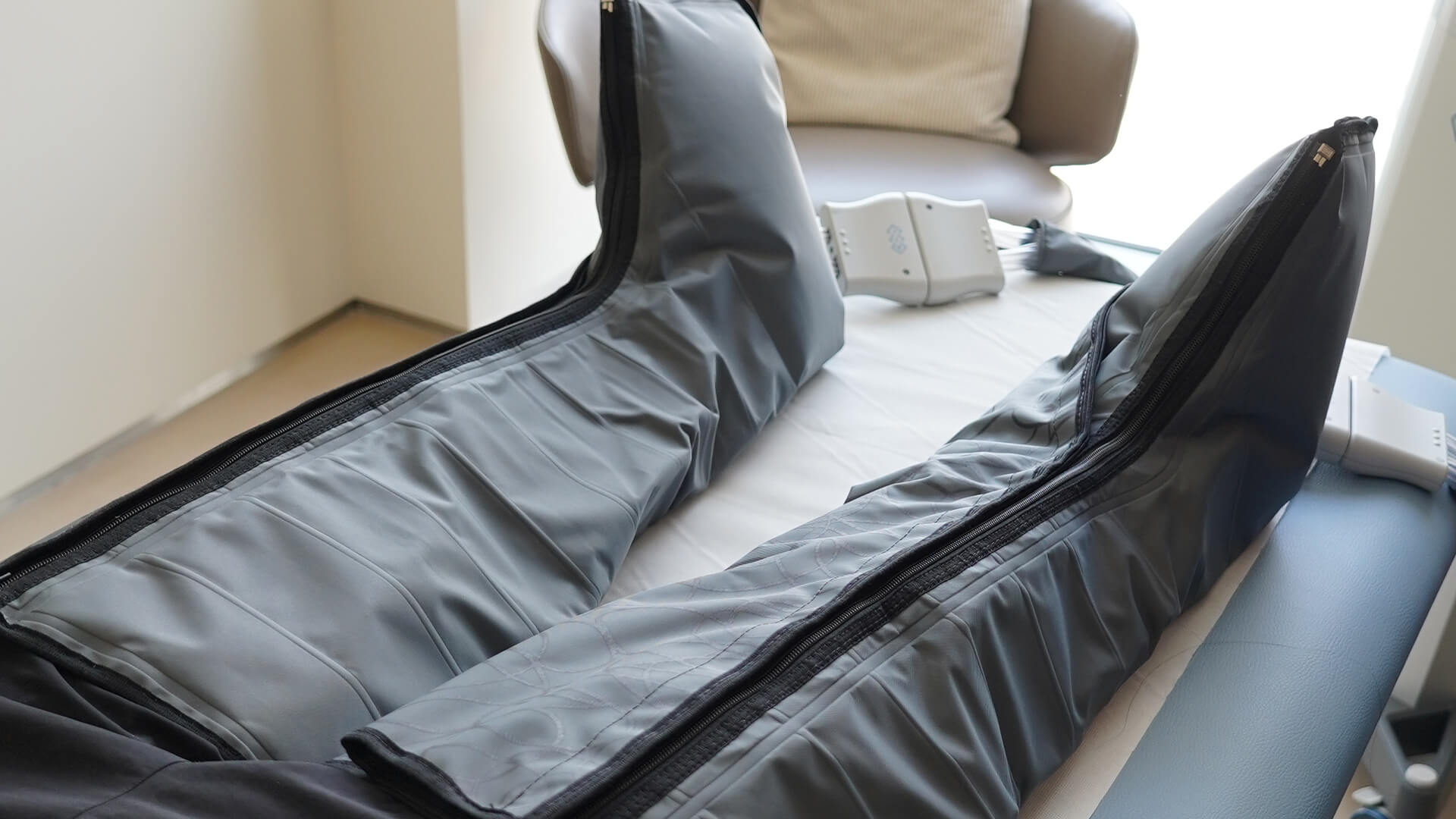
Pressotherapy lymphatic drainage treatment at KINETIKA

How Pressotherapy Works

The pressotherapy garment inflates in segments, starting at the foot or hand and progressing sequentially toward the trunk. This sequential compression creates a mechanical wave that:

  • Pushes interstitial fluid and lymph along the lymphatic vessels toward the lymph nodes
  • Reduces oedema and tissue swelling by mobilising accumulated fluid
  • Stimulates venous return, reducing venous stasis
  • Activates local circulation and tissue metabolism
  • Reduces tissue tension and associated discomfort
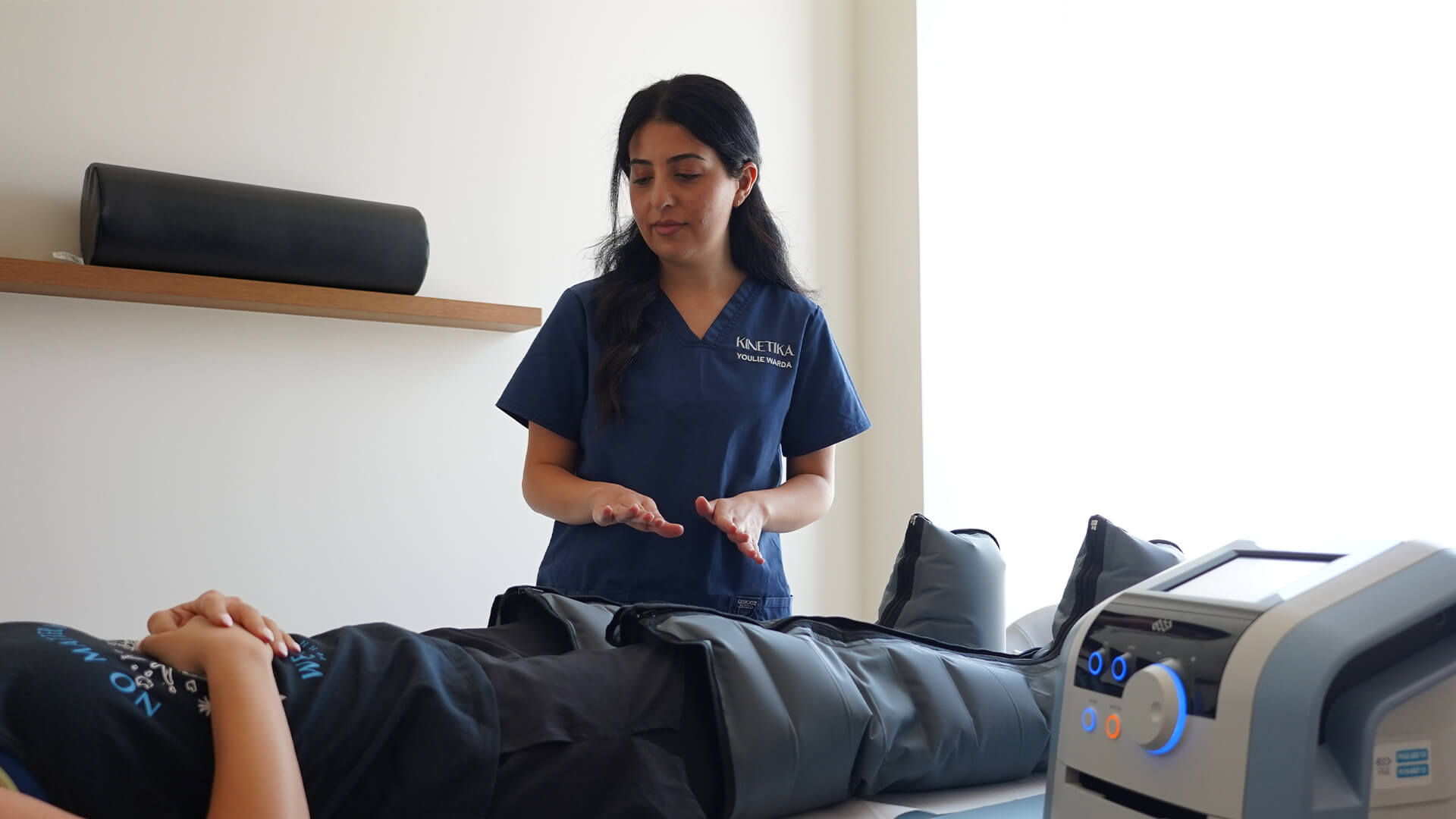
Pressotherapy treatment for oedema and recovery at KINETIKA

Clinical Applications

Post-Injury and Post-Surgical Oedema

Swelling following musculoskeletal injury or surgery is a significant barrier to rehabilitation. It reduces range of motion, inhibits muscle activation, and prolongs pain. Pressotherapy accelerates oedema clearance, allowing earlier return to active rehabilitation.

Lymphoedema Management

For patients with lymphoedema — chronic swelling due to lymphatic system dysfunction following cancer treatment, surgery, or infection — pressotherapy is a core component of complex decongestive therapy alongside manual lymphatic drainage, compression bandaging, and exercise.

Sports Recovery

Pressotherapy is widely used in professional sport for recovery between training sessions and competition. The enhanced clearance of metabolic waste products and reduction in post-exercise muscle soreness allows athletes to maintain higher training loads with less recovery time.

Chronic Venous Insufficiency

Sequential compression reduces venous pressure and stasis in patients with chronic venous insufficiency, reducing discomfort, leg fatigue, and the risk of deep vein thrombosis.

What to Expect

Pressotherapy is completely comfortable — patients often find the rhythmic compression deeply relaxing. Sessions typically last 30–45 minutes. You remain lying or seated during treatment. The garments are applied over light clothing or directly to the skin. Most patients notice measurable reduction in swelling and improved tissue mobility following the session.


Your Next Step

Ready to move better?

Book a consultation with one of our expert physiotherapists and start your recovery today.

Book a Consultation

Optokinetic Stimulation

Optokinetic stimulation is a treatment tool that uses moving visual patterns (like stripes or dots) to help desensitise the brain to motion and reduce symptoms of dizziness, disorientation, or visual overload. It’s particularly helpful when visual environments trigger or worsen your symptoms.

Read More »

Skull Vibration Test

The Skull Vibration Test uses a gentle vibration behind the ear to stimulate the balance organs of your inner ear and detect if there’s a difference between the left and right sides. It is often used as a simple but powerful screening tool when dizziness or imbalance seems one-sided.

Read More »

Videonystagmoscope (VNS)

VNS is a diagnostic tool that uses infrared video goggles to directly observe and analyse eye movements in real time. Since the eyes and inner ear are functionally linked, monitoring these movements helps determine whether a patient’s dizziness or imbalance is related to peripheral vestibular dysfunction or central causes.

Read More »

Video Head Impulse Test (VHIT)

The VHIT evaluates how well your vestibulo-ocular reflex (VOR) is working — the reflex that keeps your eyes steady when your head moves. It helps us determine whether your inner ear canals are functioning properly, especially when you feel dizzy or unfocused during quick movements.

Read More »

Physiotherapy for Every Body, Every Day

Physiotherapy is not just for when something goes wrong — it is for keeping things right. At KINETIKA in Dubai Hills, we combine precision assessment with evidence-based care to help you move better and live stronger.

Read More »

Why We Now Assess Every Patient in 3D

Something fundamental changed in how we practise physiotherapy at Kinetika when we introduced KinetiSense™ 3D motion capture. Here’s what we decided, why we decided it — and what it means for every patient who walks through our door.

Read More »