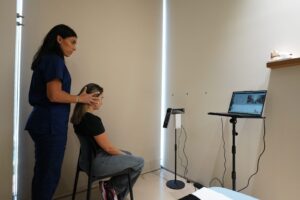
تغيّر شيء جوهري في طريقة ممارستنا للعلاج الفيزيائي في Kinetika عندما أدخلنا تقنية التقاط الحركة ثلاثية الأبعاد KinetiSense™. إليك ما قررناه، ولماذا قررناه، وما يعنيه لكل مريض يدخل عيادتنا.
على مدى معظم تاريخ العلاج الفيزيائي، كان التقييم فنًا بقدر ما هو علم. أخصائيون ذوو خبرة يراقبون كيف يمشي شخص ما أو يجلس أو يمد يده فوق رأسه. أيدٍ على المفصل، تقدّر مدى الحركة بمقياس الزوايا. تمييز للأنماط بُني عبر سنوات من الممارسة، وصُقل بآلاف المرضى.
لا يزال هذا الحدس السريري مهمًا للغاية. لكن كانت هناك دائمًا فجوة بين ما يمكننا ملاحظته وما يحدث فعلًا داخل حركة المريض. فقد اعتمد الكثير على زاوية نظر الأخصائي، وزاوية التقييم، وما إذا كان المريض يتحفظ خوفًا من ألم متوقع.
أردنا سد هذه الفجوة.
ما يفوّته التقييم ثنائي الأبعاد
يتحرك جسم الإنسان في ثلاثة أبعاد. والتعويضات لا تحدث للأمام والخلف فحسب، بل تدور وتنزاح جانبيًا وتنطوي عبر مستويات يصعب ملاحظتها في آن واحد. انحراف الركبة إلى الداخل أثناء القرفصاء أمر واضح. لكن دوران الورك الخفي الذي يسبّبه؟ ذلك أصعب التقاطًا بالعين المجردة، خاصة عندما تأخذ التاريخ المرضي وتبني علاقة مع المريض وتخطط للعلاج في الوقت نفسه.
هذا ليس انتقادًا للعلاج الفيزيائي التقليدي، بل هو قيد بنيوي في الإدراك البشري. فحتى أفضل الأخصائيين في العالم لا يستطيعون ملاحظة حركة جسم المريض كاملًا عبر مستويات متعددة في الوقت الفعلي. هناك دائمًا شيء يفوت، وغالبًا ما يكون هذا الشيء هو السبب الجذري.
“مع Kinetisense، يمكنني تقديم بيانات موضوعية وفورية في دقائق معدودة، ما يساعد المرضى على رؤية اختلالات حركتهم وفهم سبب ألمهم. هذا التحول في فهم المريض يغيّر كل شيء.”
د. كريستيان بارني، مدرّب ART، شريك KinetiSense™
ما الذي يفعله KinetiSense™ فعلًا
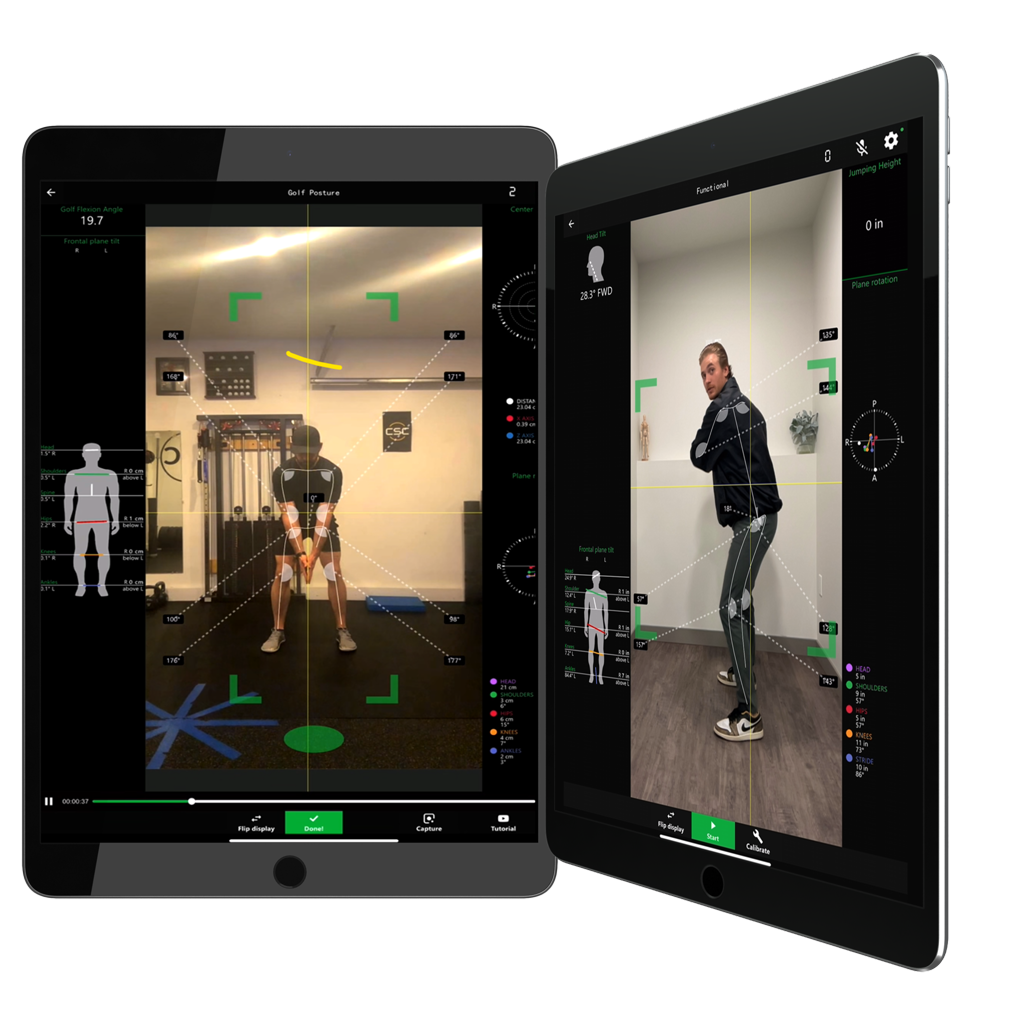
KinetiSense™ هو أول نظام مسجّل ببراءة اختراع في العالم لالتقاط الحركة دون علامات، مصمم خصيصًا للعلاج الفيزيائي السريري. لا مستشعرات، ولا أجهزة قابلة للارتداء، ولا ملصقات. يتحرك المريض ببساطة، ويلتقط النظام، الذي يعمل على جهاز iPad، أكثر من 40 قياسًا لمدى حركة المفاصل في آن واحد وفي الوقت الفعلي، عبر المستويات الثلاثة جميعها.
تستخدم التقنية الرؤية الحاسوبية والتعلم الآلي لبناء نموذج ثلاثي الأبعاد لحركة المريض. وتحدد عدم التناظر والتعويضات والقيود لحظة حدوثها. وخلال ثوانٍ من التقييم، يولّد الذكاء الاصطناعي برنامج تمارين تصحيحية مخصصًا يتناسب مع أوجه القصور المحددة لدى المريض.
تستغرق العملية كاملة أقل من دقيقتين.
ما الذي يتغير لمرضانا
أول ما يلاحظه المرضى هو الجانب البصري. فرؤية جسمك بأبعاد ثلاثية، ومشاهدة عمودك الفقري يتحمل الحمل بشكل غير متناظر بينما كنت تظن أنك تتحرك باستقامة، ورؤية التفاوت في دوران الكتف معروضًا بموضوعية على الشاشة، تجربة مختلفة تمامًا عن أن يُقال لك ذلك.
من أكثر التحديات ثباتًا في العلاج الفيزيائي التزام المريض ببرامج التمارين المنزلية. فمن الصعب البقاء ملتزمًا عندما تكون المشكلة مجردة، وعندما لا تشعر بالخلل حتى يتحول إلى ألم، ولا ترى التحسن حتى يصبح واضحًا. يغيّر KinetiSense™ هذه المعادلة. فكل إعادة تقييم تُقارن بخط الأساس الأصلي. ويرى المرضى بياناتهم تتحسن. وهذا محفّز بطريقة لا تحققها الطمأنة اللفظية.
وبالنسبة لفريقنا السريري، التحول مهم بالقدر نفسه. فبدلًا من بناء الصورة تدريجيًا عبر جلسات متعددة، نبدأ العلاج بخريطة دقيقة وموضوعية لحركة كل مريض من اليوم الأول. وهذا يتيح علاجًا يدويًا أفضل توجيهًا، ووصفًا أكثر تحديدًا للتمارين، وإطارًا أوضح لتتبع ما ينجح وما يحتاج إلى تعديل.
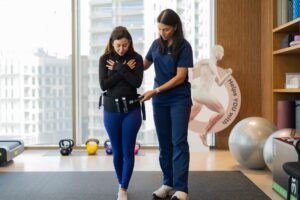
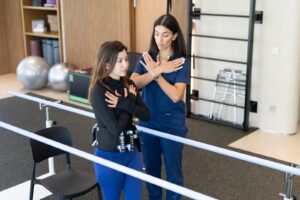
التقاط الحركة ثلاثي الأبعاد دون علامات من KinetiSense™. لا علامات، ولا أجهزة قابلة للارتداء، مجرد حركة تُقاس بدقة.
ليس للإصابة فحسب، بل للوقاية
لطالما آمنّا بأن العلاج الفيزيائي في أفضل حالاته استباقي لا تفاعلي. فالنموذج التقليدي، أي الانتظار حتى تشعر بالألم ثم مراجعة أخصائي العلاج الفيزيائي، يفوّت الفرصة التي يكون فيها التدخل أسهل وأكثر فعالية.
يقدّم KinetiSense™ الحجة للعلاج الفيزيائي الوقائي بطريقة لم يحققها أي شيء آخر استخدمناه. فعندما يرى المريض أن وركه الأيسر لديه دوران داخلي أقل بكثير من الأيمن، ويفهم أن هذا التفاوت هو بالضبط سبب اشتعال ألم أسفل ظهره بعد الجري لمسافات طويلة، لا يحتاج إلى إقناع لفعل شيء حيال ذلك. فالبيانات تتحدث بوضوح.
نقدّم الآن فحوصات الحركة KinetiSense™ كتقييمات مستقلة للرياضيين والعاملين في المكاتب وكل من يريد فهم جسمه قبل أن تتطور مشكلة. ونفضّل أن نريك نمط تعويض في سن 35 على أن نعالج عواقبه في سن 50.
ما يعنيه هذا عندما تزورنا
إذا كنت تحجز تقييمًا في Kinetika الآن، فسيتضمن موعدك الأول فحص حركة ثلاثي الأبعاد KinetiSense™ كجزء من تقييمنا الأولي المعتاد. سترى جسمك يتحرك في ثلاثة أبعاد. وستحصل على صورة موضوعية لمواضع تقييد حركتك أو عدم تناظرها. وستُبنى خطة علاجك حول هذه البيانات، لا حول ما تصفه أو ما نلاحظه بالعين فحسب.
إنها طريقة أدق لمساعدتك. والدقة، في اعتقادنا، هي ما يُبنى عليه العلاج الفيزيائي الجيد.
هل أنت مستعد لرؤية كيف يتحرك جسمك فعلًا؟ احجز تقييم حركة في عيادتنا في دبي هيلز.