Managing Sciatica

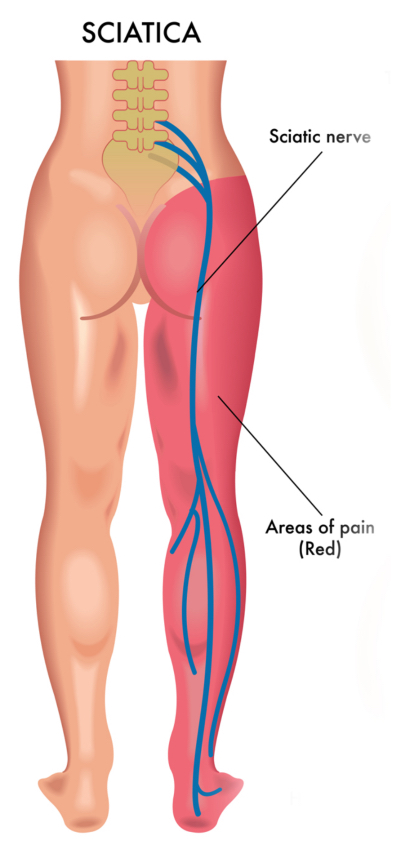
Sciatica is not a diagnosis itself, it’s a set of symptoms caused by irritation or compression of the sciatic nerve, which runs from your lower back down to your legs.

— min read

What is Sciatica?

Sciatica is not a diagnosis itself, it’s a set of symptoms caused by irritation or compression of the sciatic nerve, which runs from your lower back down to your legs.
Common signs include:

  • Sharp or burning pain radiating down the leg
  • Numbness or tingling
  • Muscle weakness in the leg or foot

How Physiotherapy Helps

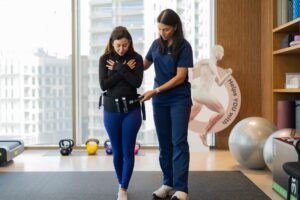
Physiotherapy targets both pain relief and the root cause. At KINETIKA, treatment may include:

  • Manual therapy & mobilisations to ease pressure on the nerve
  • Targeted exercises to strengthen your core and improve posture
  • Stretching routines to relieve muscle tension in the back, hips, and legs
  • Electrotherapy & TECAR to reduce inflammation and speed recovery
  • Education & ergonomics to prevent flare-ups

Home Tips You Can Start Today

While waiting for your appointment, these strategies may help:

  1. Stay active (but gentle): Avoid long bed rest. Short walks and light movement can reduce stiffness.
  2. Stretch smartly:
    • Piriformis stretch (lying on your back, cross one ankle over the opposite knee)
    • Knee-to-chest stretch (pull one knee toward your chest, then the other)
  3. Sit wisely: Use a chair with back support, keep both feet on the ground, and avoid slouching.
  4. Mind your posture: Engage your core when lifting and avoid twisting your back.

When to Seek Help Urgently

If you experience severe weakness, loss of bladder/bowel control, or worsening pain, seek immediate medical attention.
Sciatica can be very painful, but with the right physiotherapy and home care, most people recover without surgery.
Book your assessment at KINETIKA Physiotherapy Dubai to start your personalized recovery plan.


Your Next Step

Ready to move better?

Book a consultation with one of our expert physiotherapists and start your recovery today.

Book a Consultation

Optokinetic Stimulation

Optokinetic stimulation is a treatment tool that uses moving visual patterns (like stripes or dots) to help desensitise the brain to motion and reduce symptoms of dizziness, disorientation, or visual overload. It’s particularly helpful when visual environments trigger or worsen your symptoms.

Read More »

Skull Vibration Test

The Skull Vibration Test uses a gentle vibration behind the ear to stimulate the balance organs of your inner ear and detect if there’s a difference between the left and right sides. It is often used as a simple but powerful screening tool when dizziness or imbalance seems one-sided.

Read More »

Videonystagmoscope (VNS)

VNS is a diagnostic tool that uses infrared video goggles to directly observe and analyse eye movements in real time. Since the eyes and inner ear are functionally linked, monitoring these movements helps determine whether a patient’s dizziness or imbalance is related to peripheral vestibular dysfunction or central causes.

Read More »

Video Head Impulse Test (VHIT)

The VHIT evaluates how well your vestibulo-ocular reflex (VOR) is working — the reflex that keeps your eyes steady when your head moves. It helps us determine whether your inner ear canals are functioning properly, especially when you feel dizzy or unfocused during quick movements.

Read More »

Physiotherapy for Every Body, Every Day

Physiotherapy is not just for when something goes wrong — it is for keeping things right. At KINETIKA in Dubai Hills, we combine precision assessment with evidence-based care to help you move better and live stronger.

Read More »

Why We Now Assess Every Patient in 3D

Something fundamental changed in how we practise physiotherapy at Kinetika when we introduced KinetiSense™ 3D motion capture. Here’s what we decided, why we decided it — and what it means for every patient who walks through our door.

Read More »