Joint Mobilisation

Joint mobilisation uses controlled, graded movements to restore normal range of motion in stiff or painful joints — a cornerstone of evidence-based physiotherapy at KINETIKA.

— min read

Joint Mobilisation at KINETIKA

Joint mobilisation is a core manual therapy technique used at KINETIKA to restore normal movement in restricted joints. Whether the stiffness is in your spine, shoulder, hip, or ankle, skilled joint mobilisation addresses the mechanical causes of that restriction rather than simply managing symptoms.

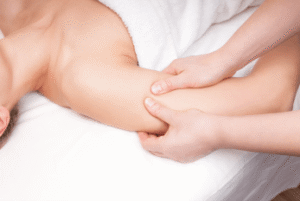
KINETIKA physiotherapist performing joint mobilisation

How Joint Mobilisation Works

Your therapist applies controlled, oscillatory or sustained movements to a specific joint at its end range of motion. These movements are graded — from gentle, pain-free oscillations that calm an irritable joint, through to firmer movements that restore full range in a chronically stiff joint.

Mechanically, mobilisation restores the normal “arthrokinematics” of the joint — the rolling, spinning, and gliding movements between joint surfaces that must occur for full, pain-free movement. Neurologically, it stimulates mechanoreceptors within the joint capsule and surrounding tissue, modulating pain signals and improving the nervous system’s perception of that joint in space.

Conditions We Treat with Joint Mobilisation

  • Cervical and lumbar spine stiffness
  • Shoulder impingement and restricted glenohumeral mobility
  • Hip joint restrictions and osteoarthritis
  • Ankle stiffness following sprain or fracture
  • Thoracic spine mobility for posture and breathing
  • Wrist and hand restrictions following injury

What to Expect

Joint mobilisation should not be painful, though you may feel pressure or a gentle stretching sensation. Your therapist will assess your joint movement before and after each technique, progressing through grades based on your response. Most patients notice an immediate improvement in range of motion and a reduction in pain following the session.

Part of a Comprehensive Plan

At KINETIKA, joint mobilisation is never used in isolation. It is combined with soft-tissue work, targeted exercise, and patient education to ensure that the improved joint mobility is maintained and supported by the surrounding musculature. The goal is lasting change — not just a good session.

Your Next Step

Ready to move better?

Book a consultation with one of our expert physiotherapists and start your recovery today.

Book a Consultation

Optokinetic Stimulation

Optokinetic stimulation is a treatment tool that uses moving visual patterns (like stripes or dots) to help desensitise the brain to motion and reduce symptoms of dizziness, disorientation, or visual overload. It’s particularly helpful when visual environments trigger or worsen your symptoms.

Read More »

Skull Vibration Test

The Skull Vibration Test uses a gentle vibration behind the ear to stimulate the balance organs of your inner ear and detect if there’s a difference between the left and right sides. It is often used as a simple but powerful screening tool when dizziness or imbalance seems one-sided.

Read More »

Videonystagmoscope (VNS)

VNS is a diagnostic tool that uses infrared video goggles to directly observe and analyse eye movements in real time. Since the eyes and inner ear are functionally linked, monitoring these movements helps determine whether a patient’s dizziness or imbalance is related to peripheral vestibular dysfunction or central causes.

Read More »

Video Head Impulse Test (VHIT)

The VHIT evaluates how well your vestibulo-ocular reflex (VOR) is working — the reflex that keeps your eyes steady when your head moves. It helps us determine whether your inner ear canals are functioning properly, especially when you feel dizzy or unfocused during quick movements.

Read More »

Physiotherapy for Every Body, Every Day

Physiotherapy is not just for when something goes wrong — it is for keeping things right. At KINETIKA in Dubai Hills, we combine precision assessment with evidence-based care to help you move better and live stronger.

Read More »

Why We Now Assess Every Patient in 3D

Something fundamental changed in how we practise physiotherapy at Kinetika when we introduced KinetiSense™ 3D motion capture. Here’s what we decided, why we decided it — and what it means for every patient who walks through our door.

Read More »