Soft Tissue Mobilisation at KINETIKA
Muscles, fascia, tendons, and the connective tissue that surrounds them can develop restrictions, from injury, overuse, poor posture, or chronic tension. Soft tissue mobilisation is the hands-on treatment of these restrictions, directly addressing the tissue dysfunction that underlies many musculoskeletal pain presentations.
What Soft Tissue Mobilisation Includes
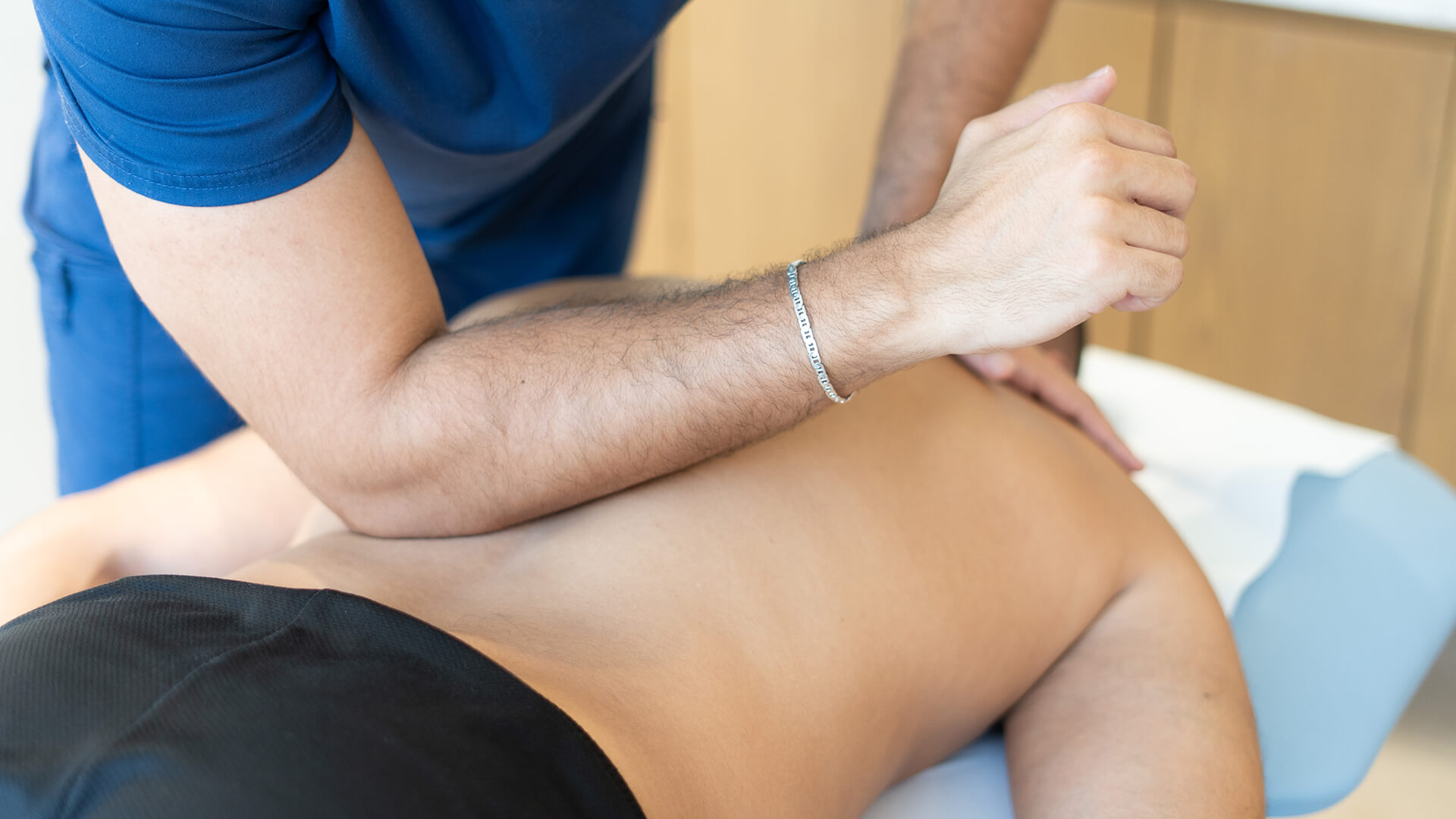
At KINETIKA, soft tissue mobilisation encompasses a range of hands-on techniques, selected based on your specific presentation:
Deep Tissue Massage
Sustained pressure applied to deeper layers of muscle and fascia to release chronic tension and reduce muscle hypertonicity. Particularly effective for long-standing postural pain, sports recovery, and chronic overuse presentations.
Myofascial Release
Slow, sustained pressure applied to myofascial restrictions. Areas where the fascial system has become tight or adhered. Myofascial release works with the body’s natural response to gentle sustained pressure, allowing the tissue to release and reorganise over time.
Friction Techniques
Precise, cross-fibre friction applied to specific sites of tendon or ligament pathology, Achilles tendinopathy, lateral epicondylitis (tennis elbow), patella tendinopathy. Friction techniques stimulate local circulation and tissue remodelling at the site of the lesion.
Instrument-Assisted Soft Tissue Mobilisation (IASTM)
The use of ergonomically designed tools to amplify the therapist’s assessment and treatment of fascial restrictions and scar tissue. IASTM allows precise treatment of specific tissue layers, stimulating a controlled inflammatory response that promotes healing and tissue reorganisation.
What to Expect
Soft tissue mobilisation may produce temporary local soreness, similar to the feeling of a deep muscle workout. This is a normal tissue response and typically resolves within 24 to 48 hours. Most patients report a significant reduction in tension and improved movement immediately following treatment.
Conditions We Address
Soft tissue mobilisation is used across most musculoskeletal presentations at KINETIKA, from acute muscle strains and sports injuries to chronic postural pain, tendinopathies, and post-surgical scar tissue. It works best as part of a combined approach that includes targeted exercise and load management.