Traction Table Therapy at KINETIKA
The spinal traction table applies a controlled, sustained or intermittent distractive force to the spine, creating decompression of the intervertebral discs, facet joints, and neural foramen. It is one of the most effective tools in physiotherapy for managing disc-related nerve compression in both the cervical and lumbar spine.
What Traction Does to the Spine
When a distractive force is applied to the spine:
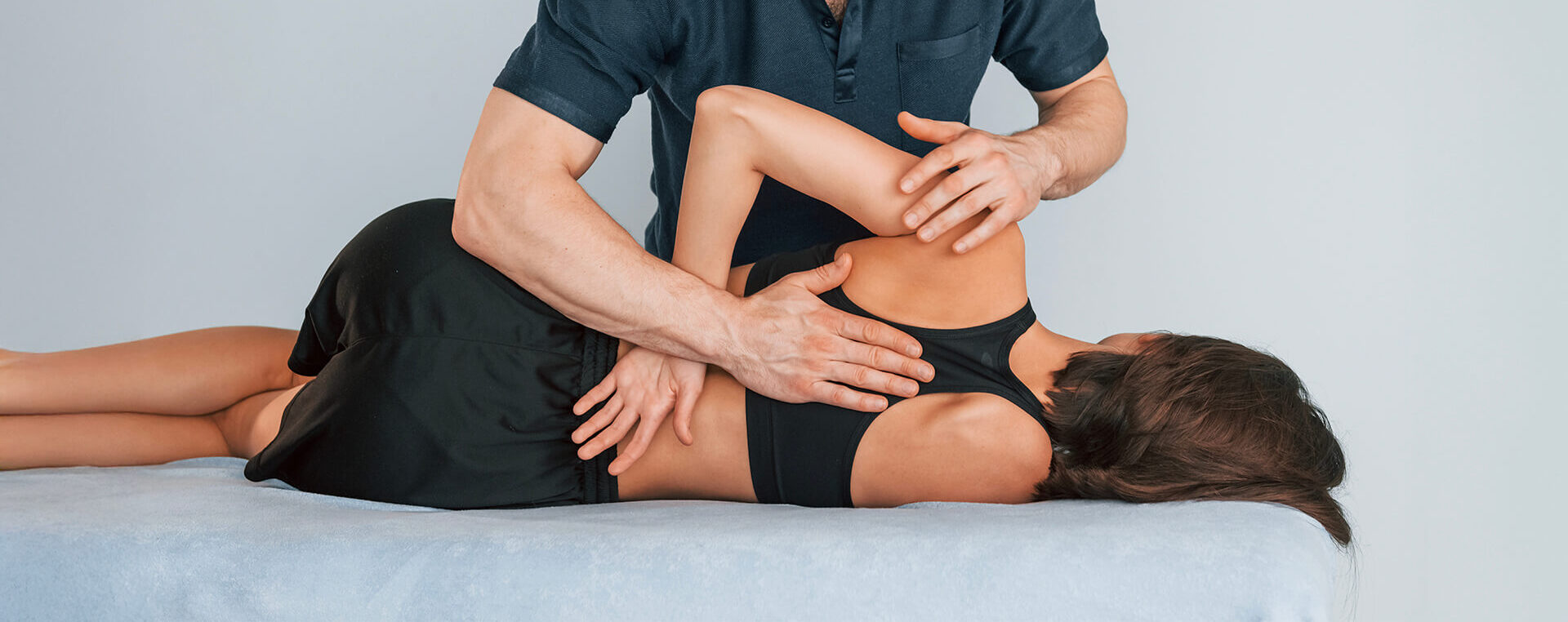
- Disc decompression. Negative pressure is created within the disc, which can retract bulging nucleus pulposus material and reduce pressure on adjacent nerve roots
- Neural foramen opening. The space through which nerve roots exit the spine is enlarged, reducing mechanical compression on sensitised nerves
- Facet joint distraction. Compression and stiffness in the facet joints is reduced, improving segmental mobility
- Muscle relaxation. Protective muscle spasm surrounding a painful spinal segment is reduced by the sustained traction force
Conditions We Treat
Lumbar Traction
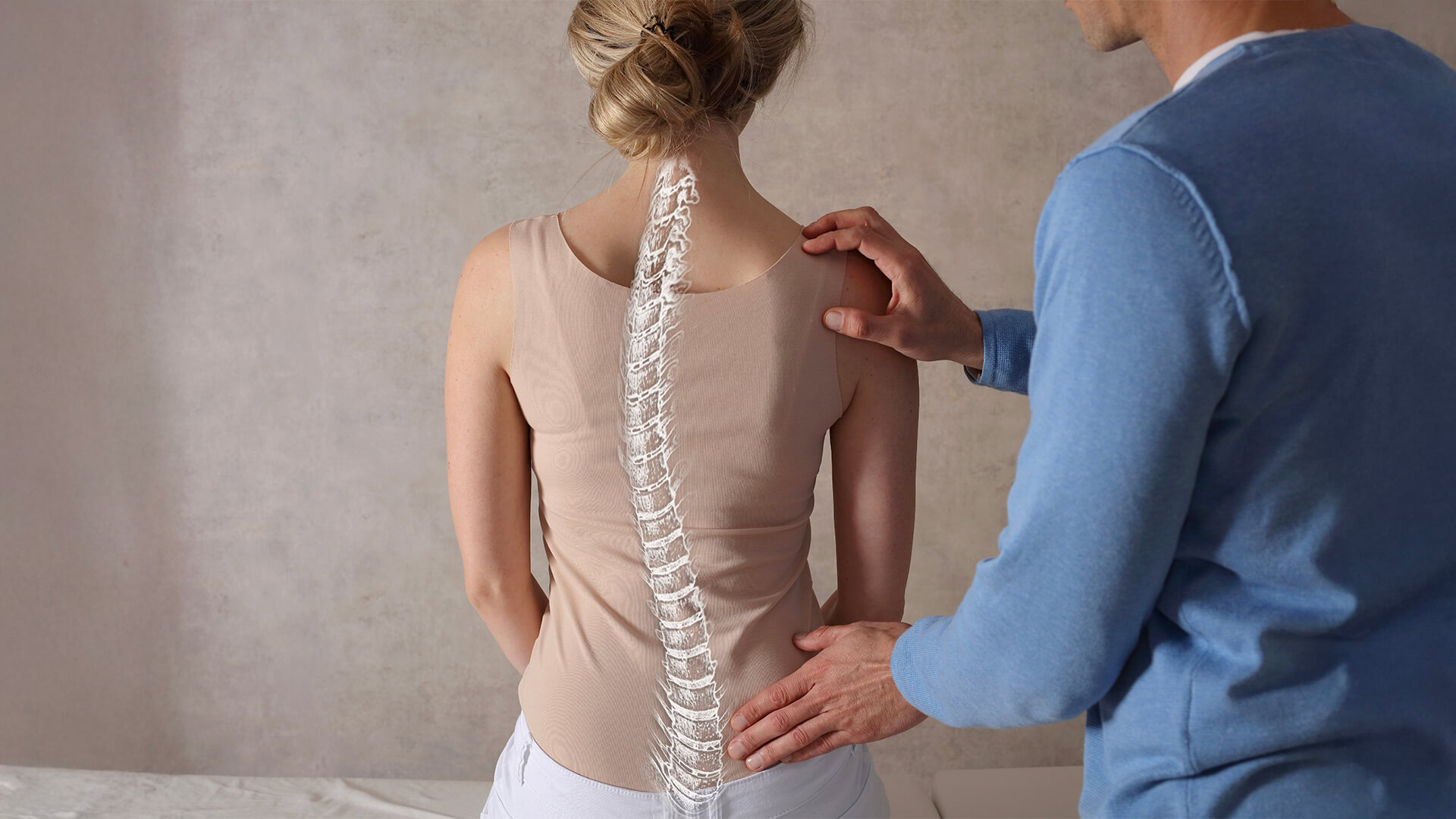
- Lumbar disc herniation with or without sciatica
- Lumbar radiculopathy (nerve root compression)
- Degenerative disc disease with referral
- Lumbar facet joint compression pain
- Spinal stenosis with neurogenic claudication
Cervical Traction
- Cervical disc herniation with arm pain (cervical radiculopathy)
- Cervicogenic headache from upper cervical compression
- Cervical facet joint pain and stiffness
- Thoracic outlet syndrome with cervical component
Types of Traction
At KINETIKA, we use both sustained traction (a constant force held for a prescribed duration) and intermittent traction (alternating between a higher hold force and a lower rest force). Intermittent traction is generally better tolerated and produces a pumping effect on the disc that enhances fluid dynamics and nutrient delivery.
What to Expect
Traction is applied on a motorised table with harnesses or halters securing the appropriate spinal region. The force is gradually increased to your therapeutic level. Most patients experience immediate relief of radicular (nerve) symptoms during treatment. After the session, you are rested in a supported position before returning to activity. Traction courses typically involve 6 to 12 sessions, often combined with manual therapy and a targeted exercise program.