Traction Table (Spinal Decompression)

The traction table creates controlled spinal decompression to relieve disc pressure, reduce nerve root compression, and restore joint space in the cervical and lumbar spine.

— min read

Traction Table Therapy at KINETIKA

The spinal traction table applies a controlled, sustained or intermittent distractive force to the spine, creating decompression of the intervertebral discs, facet joints, and neural foramen. It is one of the most effective tools in physiotherapy for managing disc-related nerve compression in both the cervical and lumbar spine.
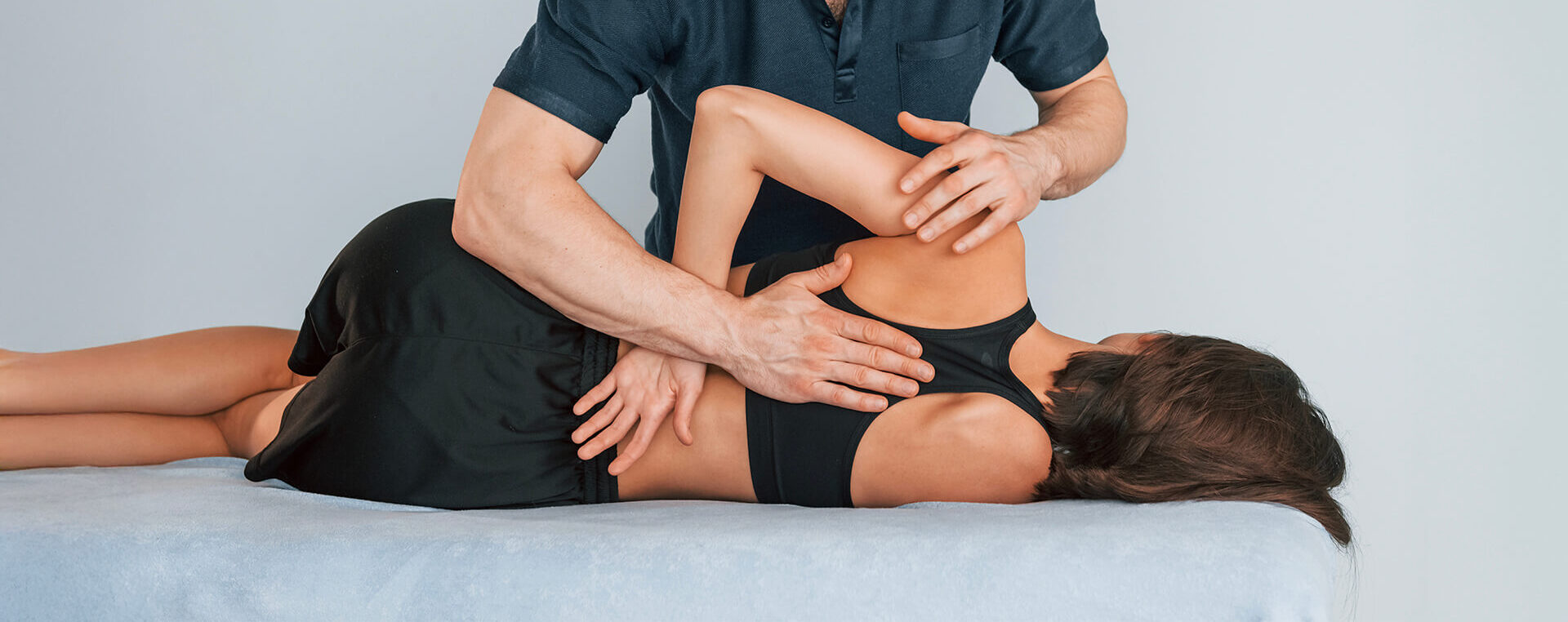
Spinal traction table treatment at KINETIKA

What Traction Does to the Spine

When a distractive force is applied to the spine:

  • Disc decompression — negative pressure is created within the disc, which can retract bulging nucleus pulposus material and reduce pressure on adjacent nerve roots
  • Neural foramen opening — the space through which nerve roots exit the spine is enlarged, reducing mechanical compression on sensitised nerves
  • Facet joint distraction — compression and stiffness in the facet joints is reduced, improving segmental mobility
  • Muscle relaxation — protective muscle spasm surrounding a painful spinal segment is reduced by the sustained traction force
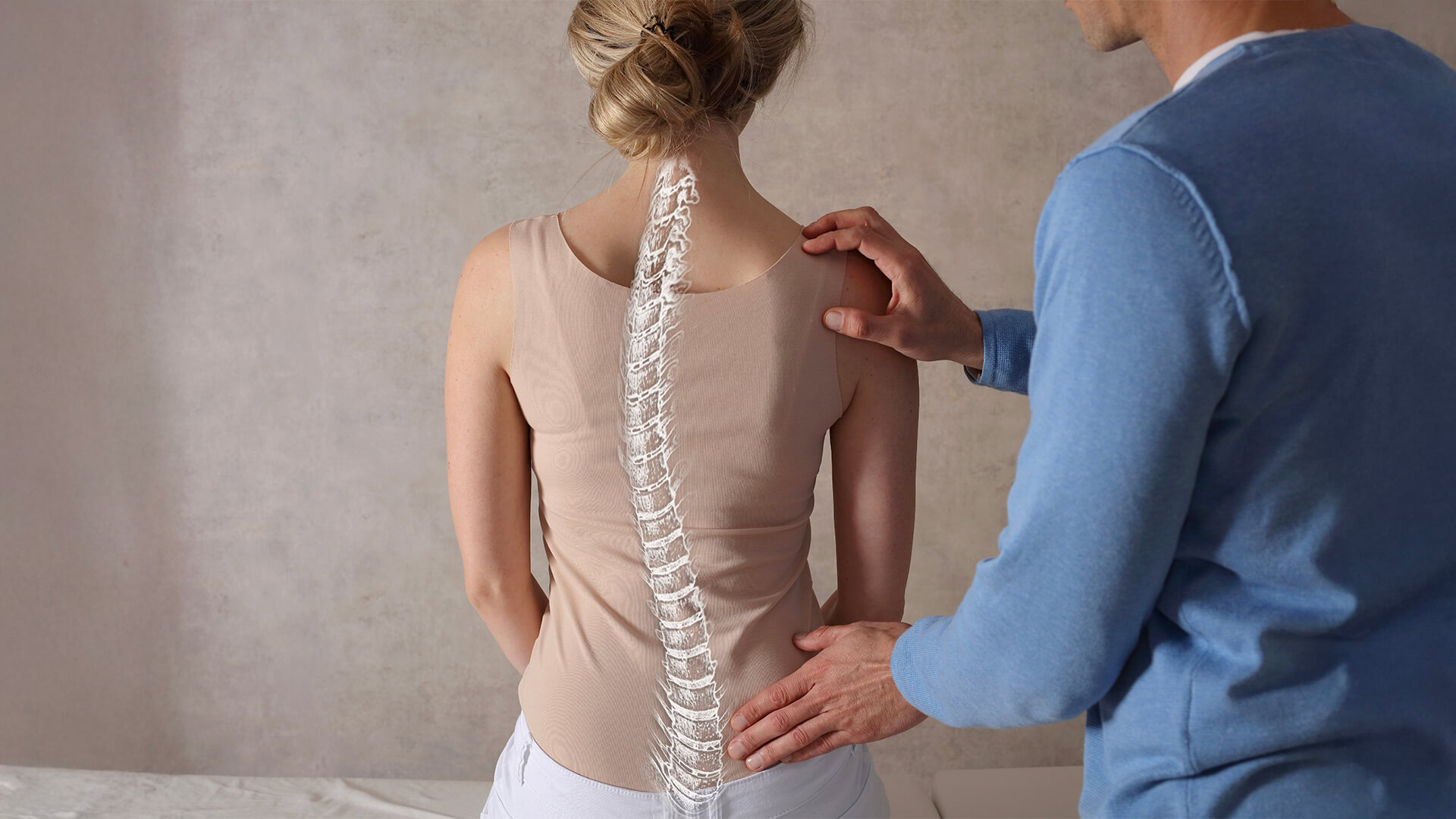
Traction therapy for spinal decompression at KINETIKA

Conditions We Treat

Lumbar Traction

  • Lumbar disc herniation with or without sciatica
  • Lumbar radiculopathy (nerve root compression)
  • Degenerative disc disease with referral
  • Lumbar facet joint compression pain
  • Spinal stenosis with neurogenic claudication

Cervical Traction

  • Cervical disc herniation with arm pain (cervical radiculopathy)
  • Cervicogenic headache from upper cervical compression
  • Cervical facet joint pain and stiffness
  • Thoracic outlet syndrome with cervical component

Types of Traction

At KINETIKA, we use both sustained traction (a constant force held for a prescribed duration) and intermittent traction (alternating between a higher hold force and a lower rest force). Intermittent traction is generally better tolerated and produces a pumping effect on the disc that enhances fluid dynamics and nutrient delivery.

What to Expect

Traction is applied on a motorised table with harnesses or halters securing the appropriate spinal region. The force is gradually increased to your therapeutic level. Most patients experience immediate relief of radicular (nerve) symptoms during treatment. After the session, you are rested in a supported position before returning to activity. Traction courses typically involve 6–12 sessions, often combined with manual therapy and a targeted exercise program.

Your Next Step

Ready to move better?

Book a consultation with one of our expert physiotherapists and start your recovery today.

Book a Consultation

Optokinetic Stimulation

Optokinetic stimulation is a treatment tool that uses moving visual patterns (like stripes or dots) to help desensitise the brain to motion and reduce symptoms of dizziness, disorientation, or visual overload. It’s particularly helpful when visual environments trigger or worsen your symptoms.

Read More »

Skull Vibration Test

The Skull Vibration Test uses a gentle vibration behind the ear to stimulate the balance organs of your inner ear and detect if there’s a difference between the left and right sides. It is often used as a simple but powerful screening tool when dizziness or imbalance seems one-sided.

Read More »

Videonystagmoscope (VNS)

VNS is a diagnostic tool that uses infrared video goggles to directly observe and analyse eye movements in real time. Since the eyes and inner ear are functionally linked, monitoring these movements helps determine whether a patient’s dizziness or imbalance is related to peripheral vestibular dysfunction or central causes.

Read More »

Video Head Impulse Test (VHIT)

The VHIT evaluates how well your vestibulo-ocular reflex (VOR) is working — the reflex that keeps your eyes steady when your head moves. It helps us determine whether your inner ear canals are functioning properly, especially when you feel dizzy or unfocused during quick movements.

Read More »

Physiotherapy for Every Body, Every Day

Physiotherapy is not just for when something goes wrong — it is for keeping things right. At KINETIKA in Dubai Hills, we combine precision assessment with evidence-based care to help you move better and live stronger.

Read More »

Why We Now Assess Every Patient in 3D

Something fundamental changed in how we practise physiotherapy at Kinetika when we introduced KinetiSense™ 3D motion capture. Here’s what we decided, why we decided it — and what it means for every patient who walks through our door.

Read More »