Last Updated: November 22, 2026
Quick Summary
Sports injury prevention for active adults centres on managing training load so tissue can keep pace with demand. Build strength two to three times a week, warm up for about 10 minutes before each session, and increase weekly load gradually, rather than spiking it after a break or a busy week.
- Strength train two to three times per week, focusing on legs, hips, core and upper back.
- Spend five to ten minutes most days on balance and mobility work.
- Warm up for about 10 minutes, ending with a low-intensity sport-specific drill.
- Increase weekly training load by no more than about 10 percent as a rough guideline.
- Seek professional assessment for pain that changes your movement or persists between sessions.
Table of Contents
- Why Active Adults Get Sports Injuries
- Sports Injury Prevention Exercises That Build Resilience
- Warm-Up Exercises Before Sport: A Step-by-Step Routine
- How to Avoid Overuse Injuries Through Gradual Load Increases
- A Practical Four-Week Prevention Plan
- Return to Sport After Injury: Stages and Warning Signs
- Booking Your Movement Assessment at KINETIKA
- Frequently Asked Questions
Why Active Adults Get Sports Injuries
Most sports injuries in active adults come from load that outpaces the body’s ability to adapt, which is why sports injury prevention starts with managing training stress. The pattern most often seen in clinical practice is not one dramatic fall but a slow build of stress on tendons, joints and muscles that were never given time to recover. (Source: World Health Organization physical activity recommendations)

Weekend athletes are especially exposed. A full week of desk work followed by a hard two-hour session can ask more of the body than it is ready for. Muscles that are weak, stiff or fatigued absorb less force, so the load passes into tissue that is less able to cope.
Common risk factors include:
- Sudden jumps in training distance, weight or intensity
- Skipping warm-up or cool-down
- Returning to sport after a break without rebuilding strength
- Poor footwear or worn equipment
- Limited mobility or strength in the hips, ankles or shoulders
- Previous injury that was never fully rehabilitated
Watch out: Pushing through sharp, localised or worsening pain is one of the most common ways a minor strain becomes a long layoff. Pain that changes your movement or persists between sessions deserves a professional assessment.
Sports Injury Prevention Exercises That Build Resilience
Prevention is mostly about building tissue that can handle the demands you place on it. Strength, balance and mobility work each play a role, and none replaces the others.
Strength training two to three times per week
Two to three short sessions a week, focused on the legs, hips, core and upper back, build the capacity that sport demands. Choose exercises you can perform with control, such as squats, step-ups, hip bridges, rows and calf raises. Add load gradually, and stop a set when your technique starts to break down.
Balance and mobility work
Balance and mobility work improves how the joints position and control themselves under load. Single-leg stands, controlled reaches and ankle mobility drills are simple starting points. Five to ten minutes on most days is usually enough to notice a difference in stability.
The table below summarises the main prevention components the article covers and how each is typically applied.
| Component | Frequency | Key focus |
|---|---|---|
| Strength training | Two to three times per week | Legs, hips, core and upper back |
| Balance and mobility work | Five to ten minutes on most days | Single-leg stands, controlled reaches, ankle mobility |
Warm-Up Exercises Before Sport: A Step-by-Step Routine
A good warm-up does three jobs: it raises muscle temperature so tissue is more compliant, it increases blood flow and joint fluid so movement feels easier, and it rehearses the specific patterns you are about to load. A warm-up that only stretches does none of these well. Aim for about 10 minutes before any session, and longer in cooler conditions or after a long period of sitting.
The routine below is a general template. Adjust the sport-specific block to match what you are about to do.
- Light cardio (2-3 minutes): Easy walking, cycling, skipping or jogging to raise your heart rate and break a light sweat. You should be able to hold a conversation but feel warmer.
- Leg swings (1 minute): Ten slow swings forward and sideways per leg, holding a wall for balance. Keep the movement controlled rather than ballistic.
- Hip circles (1 minute): Ten controlled circles in each direction, hands on hips. This mobilises the hip joint before you ask it to load.
- Bodyweight squats (1 minute): Ten slow squats, keeping your heels down and knees tracking over your toes. This rehearses the squat pattern under light load.
- Lunges with rotation (1 minute): Five lunges per side, rotating the upper body over the front leg. This combines hip mobility with trunk control.
- Ankle and shoulder activation (1-2 minutes): Ten ankle rocks per side and ten slow arm circles in each direction, since these joints are often the first to feel stiff after desk work.
- Sport-specific drill (2-3 minutes): Easy runs, light strides, low-intensity shadow swings, or a scaled-down version of the movement you are about to perform. This is the most important block because it prepares the exact pattern, not just general warmth.
Watch out: A warm-up that leaves you fatigued has gone too far. The goal is prepared, not tired, if you are breathing hard before the session starts, reduce the intensity or duration of the warm-up.
Stretching is best kept for after activity or in dedicated mobility sessions, where it does not replace the warm-up itself. Static stretching immediately before explosive activity can temporarily reduce power output, which is one reason the routine above favours dynamic movement over held stretches.
For running and racquet sports, extend the sport-specific block with easy strides or light court movement. For strength training, use the first working sets at a reduced load as part of the warm-up rather than adding extra drills. The principle is the same across activities: raise temperature, mobilise the joints you will use, then rehearse the pattern at low intensity before loading it fully.
How to Avoid Overuse Injuries Through Gradual Load Increases
Overuse injuries develop when training volume rises faster than tissue can adapt. Tendons, bone and joint cartilage respond to load more slowly than muscle, so a sudden increase can feel fine for a week or two before symptoms appear. The safest approach is to increase one variable at a time, distance, duration or intensity, and hold it steady for a week or two before progressing again.
Many coaches use a rough guideline of increasing weekly load by no more than about 10 percent. Treat this as a rule of thumb rather than a precise limit. Evidence for exact thresholds is limited, and individual response varies with age, fitness, training history and prior injury. A runner returning after a layoff may tolerate less than 10 percent, while an experienced lifter may handle more. The number is a prompt to progress cautiously, not a guarantee of safety.
A more useful approach than a single percentage is to track workload in a way you can actually review. A simple session load score works well: multiply the duration in minutes by a perceived effort rating from 1 to 10. A 60-minute session at effort 5 scores 300; a 30-minute session at effort 8 scores 240. Add these up across the week to get a weekly load figure. You do not need an app, a notebook or a phone note is enough.
What to watch for in that log:
- A sudden jump in weekly load: A rise of more than roughly 20-30 percent from your recent average is a signal to hold steady rather than push on.
- Rising soreness that does not settle: Soreness that is still present the next morning, or that worsens across sessions, suggests the tissue is not keeping up.
- Poor sleep or declining performance: Both are early signs that recovery is lagging behind training.
- Pain that changes your movement: This is a stronger signal than soreness alone and deserves professional assessment.
Watch out: A log is only useful if you record the easy sessions as well as the hard ones. Under-reporting light activity is one of the most common reasons people miss a workload spike until symptoms appear.
Self-monitoring also helps you distinguish a planned progression from an accidental one. If a busy week pushes your load up sharply, treat the following week as a lighter one rather than trying to “catch up” on missed sessions. Recovery is part of the training plan, not a break from it.
A Practical Four-Week Prevention Plan
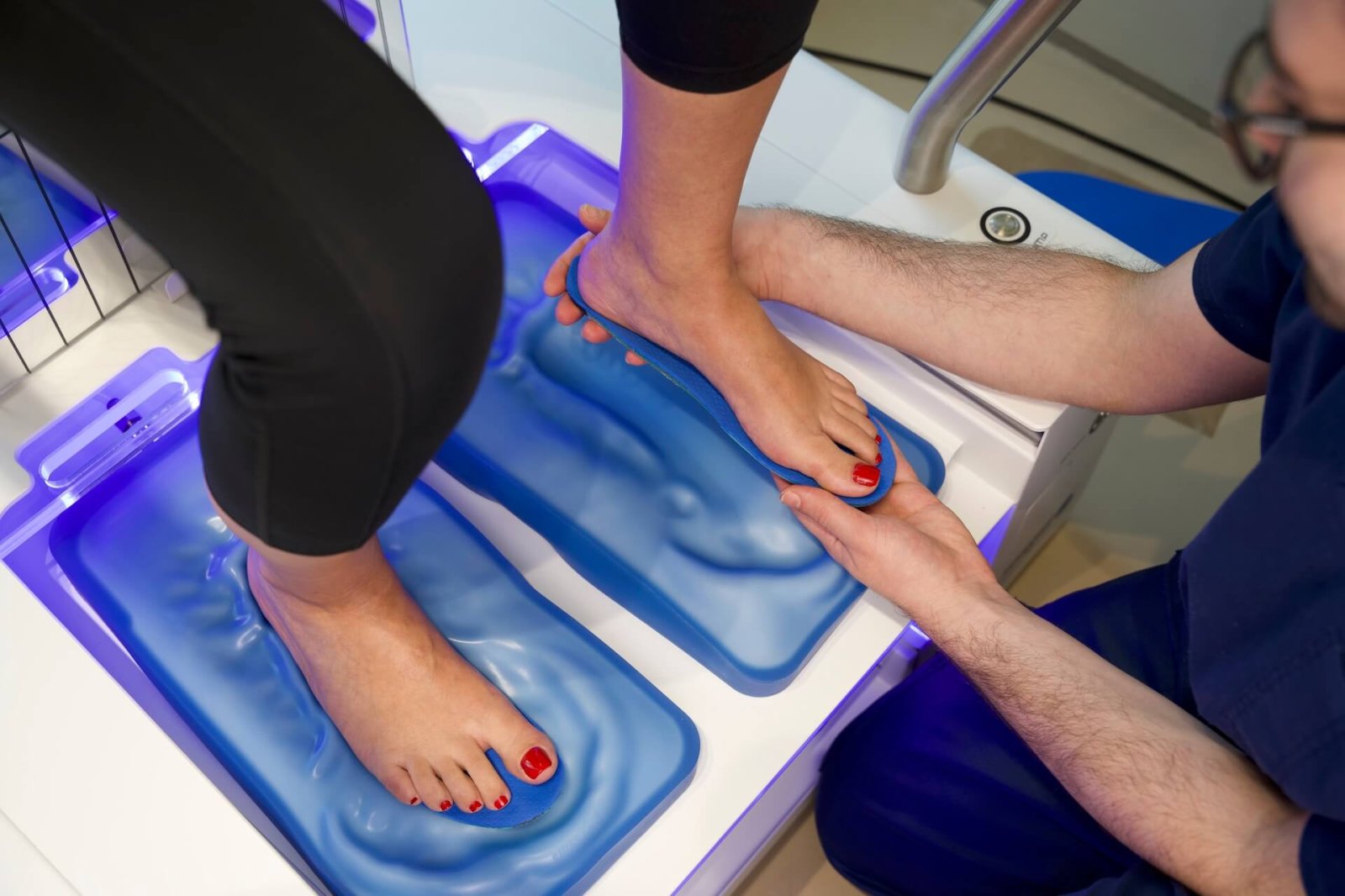
This plan is a general framework for an adult who already exercises regularly. A phased, sport-specific rehabilitation framework shows how the same progression can be tailored to a particular sport and assessment. It is not a substitute for individual assessment.
- Week 1: Two strength sessions, one balance session. Keep sport volume at your current baseline.
- Week 2: Two strength sessions, two balance sessions. Increase sport volume by no more than about 10 percent.
- Week 3: Three strength sessions, two balance sessions. Hold sport volume steady.
- Week 4: Two strength sessions, one balance session, one lighter recovery week. Review your log before planning the next block.
Prioritise sleep, adequate protein and at least one full rest day each week. Recovery is part of the training plan, not a break from it.
Return to Sport After Injury: Stages and Warning Signs
Returning to sport too early is a common cause of re-injury. A structured return usually moves through stages: pain-free daily activity, then pain-free strength work, then sport-specific drills, then full training. Progress to the next stage only when the current one is comfortable.
Stop and seek medical care if you notice:
- Swelling, warmth or bruising that does not settle
- Pain that wakes you at night or persists at rest
- Numbness, tingling or weakness in a limb
- Joint instability, locking or a feeling of giving way
- Any injury that does not improve after a reasonable period
Rehabilitation after a fracture or surgery should be guided by the clinician who treated it. Skipping structured rehab is one of the more common reasons people struggle to regain full function.
Booking Your Movement Assessment at KINETIKA
If an injury is holding back your training, or you want to understand why one keeps returning, a movement assessment is a practical first step. A physiotherapy assessment aims to look for the root cause of the problem rather than only the symptoms, and an individual plan can be built from there.
Book your assessment today to get a clear picture of where your body stands and what to do next.
Frequently Asked Questions
How can active adults prevent sports injuries?
Most prevention comes from consistency rather than any single exercise. Combine a short warm-up before each session, two to three weekly sessions of strength training, balance and mobility work, and a gradual rise in training volume. Track how you feel the next morning and treat persistent pain as a signal to adjust your load. If symptoms do not settle, a physiotherapy assessment can identify the specific cause, which general advice cannot do.
What is the best warm-up before exercise?
A useful warm-up starts with five to ten minutes of light cardiovascular activity such as walking, cycling or skipping to raise muscle temperature. Follow it with dynamic movements that mirror your sport, including leg swings, lunges with rotation and gentle hip circles. Finish with a few sport-specific sprints or drills at increasing intensity. Static stretching is best kept for after activity or as part of separate flexibility work.
When should I see a physiotherapist for a sports injury?
See a qualified physiotherapist if pain persists beyond a few days, if swelling or instability develops, if you have numbness or weakness, or if an injury keeps returning. Early assessment helps identify the root cause rather than only the symptoms. At KINETIKA, assessments are led by DHA-licensed practitioners who build individualised plans combining manual therapy and movement training. For current details, contact the clinic directly.
When should I stop exercising because of pain?
Stop an activity if pain is sharp, worsens during exercise, alters your technique, or is still present the following morning. Mild muscle soreness that eases within a day or two is usually part of adaptation, but joint pain, swelling or pain that changes how you move is not. Seek medical or physiotherapy advice before returning to full training in these cases, and do not push through pain to finish a session.