TECAR Therapy (Capacitive & Resistive Energy Transfer)

TECAR therapy uses high-frequency electromagnetic energy to generate deep tissue heat, accelerating repair, reducing inflammation, and relieving pain from within.

— min read

TECAR Therapy at KINETIKA

TECAR therapy — Capacitive and Resistive Energy Transfer — is an advanced electrotherapy modality that uses high-frequency electromagnetic energy to generate heat within deep tissue structures. Unlike superficial heat packs or infrared lamps, TECAR’s energy penetrates deep to target muscles, tendons, joints, and ligaments from the inside out, stimulating the body’s natural repair processes.
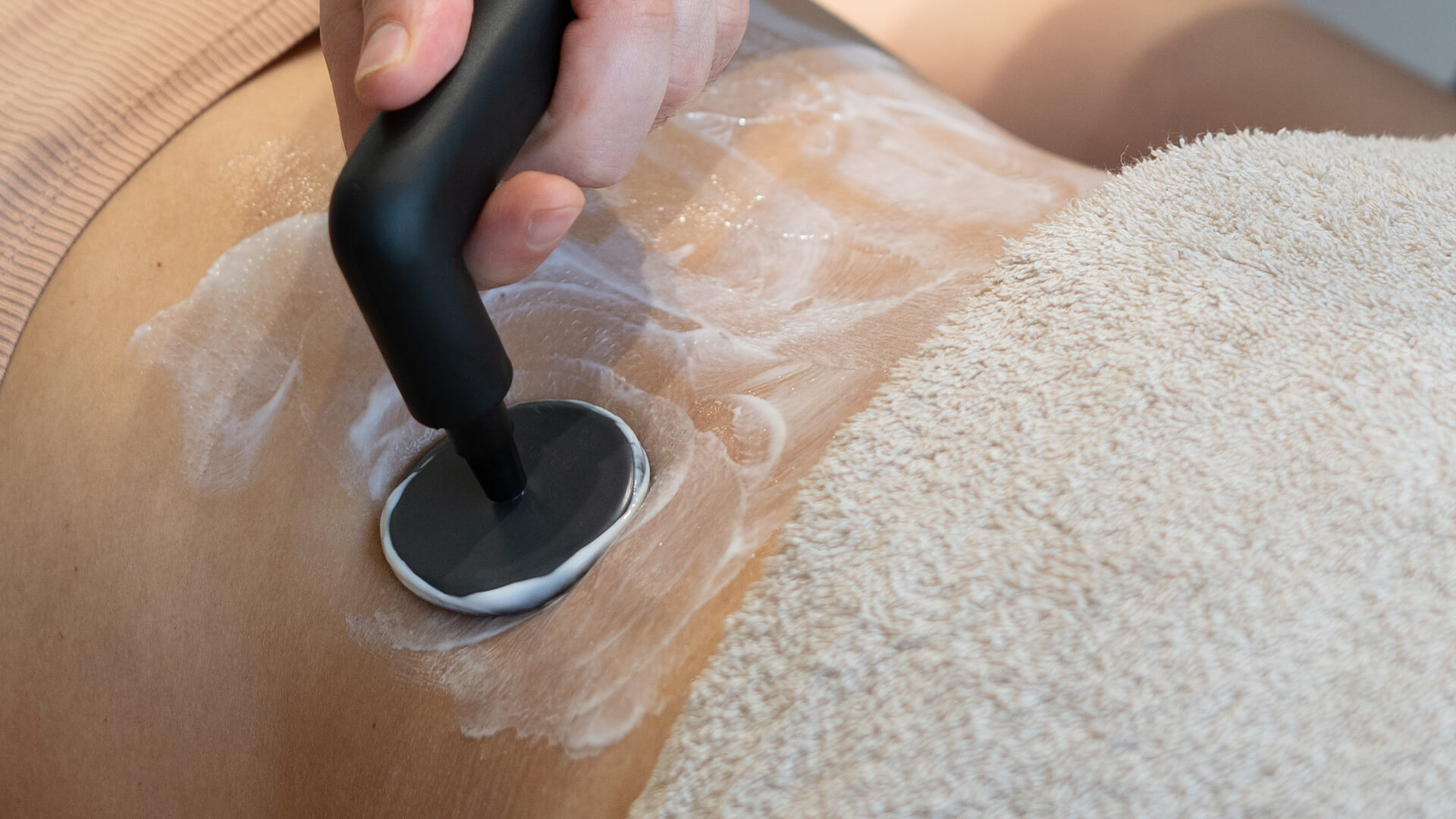
TECAR therapy treatment at KINETIKA physiotherapy clinic

How TECAR Works

TECAR devices operate at radiofrequency (300 kHz–1 MHz) and use two electrode modes:

  • Capacitive mode (CAP) — targets superficial, high-water-content tissues including muscle, fluid-rich compartments, and inflammatory lesions. The current concentrates in the layer between the active electrode and the return plate, producing heat in the superficial tissue layers.
  • Resistive mode (RES) — targets deeper, low-water-content tissues including tendons, ligaments, cartilage, and bone. The energy passes through the tissue, with heat generated at the points of highest electrical resistance.

Your therapist alternates between CAP and RES modes throughout the session, targeting the specific tissue layers relevant to your condition.
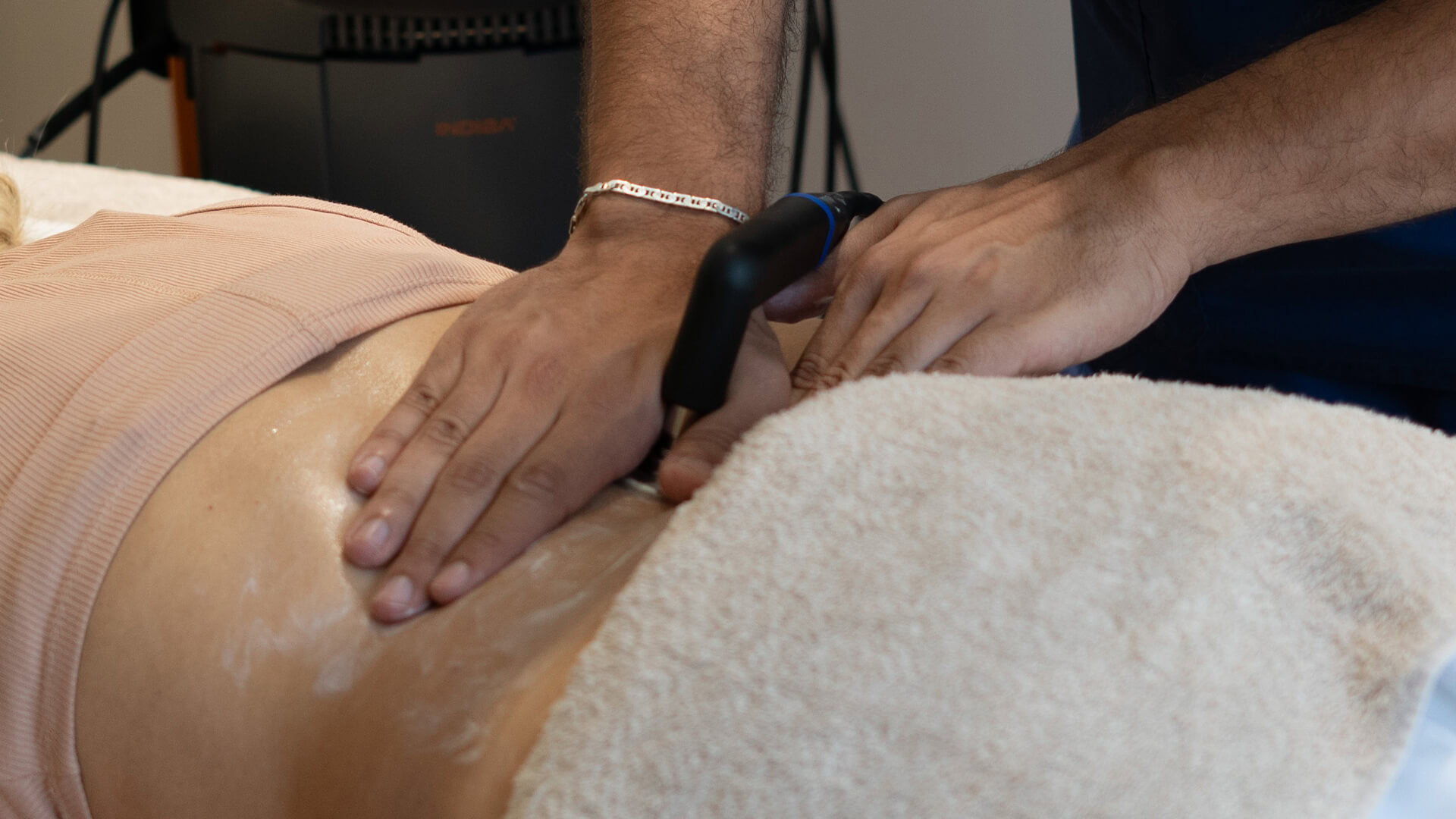
KINETIKA therapist performing TECAR therapy on patient

Therapeutic Effects

  • Increased local circulation and oxygen delivery to healing tissue
  • Accelerated removal of metabolic waste products from injured tissue
  • Reduction of oedema and post-injury swelling
  • Pain relief through thermal and neurological mechanisms
  • Improved tissue extensibility, enhancing the effect of subsequent manual therapy and exercise
  • Promotion of collagen remodelling in chronic tendon and ligament pathology

Conditions We Treat

TECAR therapy is particularly effective for:

  • Acute and subacute muscle injuries and strains
  • Tendinopathies and chronic tendon pathology
  • Post-surgical rehabilitation
  • Joint capsule restrictions and osteoarthritis
  • Chronic back and neck pain with myofascial involvement
  • Sports injuries requiring accelerated return to performance

What to Expect

TECAR produces a comfortable deep warmth — most patients find the sensation pleasant. Sessions typically last 20–30 minutes and are often combined with manual therapy immediately after, capitalising on the tissue extensibility created by the thermal effect. TECAR is safe and well-tolerated across a wide range of patients, including those with chronic pain who may not tolerate high-load manual techniques.


Your Next Step

Ready to move better?

Book a consultation with one of our expert physiotherapists and start your recovery today.

Book a Consultation

Optokinetic Stimulation

Optokinetic stimulation is a treatment tool that uses moving visual patterns (like stripes or dots) to help desensitise the brain to motion and reduce symptoms of dizziness, disorientation, or visual overload. It’s particularly helpful when visual environments trigger or worsen your symptoms.

Read More »

Skull Vibration Test

The Skull Vibration Test uses a gentle vibration behind the ear to stimulate the balance organs of your inner ear and detect if there’s a difference between the left and right sides. It is often used as a simple but powerful screening tool when dizziness or imbalance seems one-sided.

Read More »

Videonystagmoscope (VNS)

VNS is a diagnostic tool that uses infrared video goggles to directly observe and analyse eye movements in real time. Since the eyes and inner ear are functionally linked, monitoring these movements helps determine whether a patient’s dizziness or imbalance is related to peripheral vestibular dysfunction or central causes.

Read More »

Video Head Impulse Test (VHIT)

The VHIT evaluates how well your vestibulo-ocular reflex (VOR) is working — the reflex that keeps your eyes steady when your head moves. It helps us determine whether your inner ear canals are functioning properly, especially when you feel dizzy or unfocused during quick movements.

Read More »

Physiotherapy for Every Body, Every Day

Physiotherapy is not just for when something goes wrong — it is for keeping things right. At KINETIKA in Dubai Hills, we combine precision assessment with evidence-based care to help you move better and live stronger.

Read More »

Why We Now Assess Every Patient in 3D

Something fundamental changed in how we practise physiotherapy at Kinetika when we introduced KinetiSense™ 3D motion capture. Here’s what we decided, why we decided it — and what it means for every patient who walks through our door.

Read More »