Tired Legs? Here’s Why They Cramp and Weaken

Muscle fatigue, leg cramps, and weakness are incredibly common complaints, especially among women. But what’s really going on in your body when this happens?, Leg cramps and fatigue are common,

— min read
Muscle fatigue, leg cramps, and weakness are incredibly common complaints, especially among women. But what’s really going on in your body when this happens?


Why Legs Get Tired and Cramp 

  • Neuromuscular fatigue: Muscles get tired and more excitable, increasing cramp risk (Schwellnus 2008; Nelson & Churilla 2016).
  • Electrolytes & hydration: Low magnesium, potassium, calcium, or mild dehydration can contribute, but they aren’t the only cause (Garrison et al. 2012).
  • Mechanical factors: Poor posture, flat feet, tight calves, or weak glutes amplify fatigue.
  • Women’s hormonal factors: Menstruation, perimenopause, pregnancy, or PCOS may increase cramps.


→ these are medical and not directly treatable by physiotherapy (Minetto et al. 2013).


When to See a Doctor?

  • Cramps with numbness, swelling, weakness, or frequent night cramps need medical assessment.
  • Possible causes: nerve issues, circulation problems, thyroid/metabolic disorders, medication effects.


How Physiotherapy Can Help
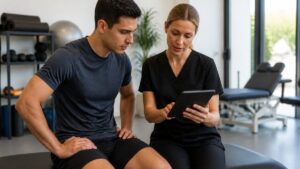
Physiotherapy focuses on the parts of leg cramps and fatigue that come from how your body moves, how strong your muscles are, and how well your joints work. While it can’t treat hormonal causes, it can make a big difference in reducing strain and preventing cramps. Here’s how:

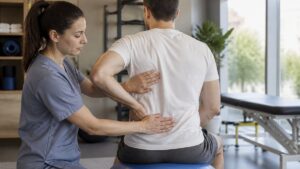
  • Check how you move: We look at posture, walking style, and foot mechanics to spot what’s overloading your muscles.
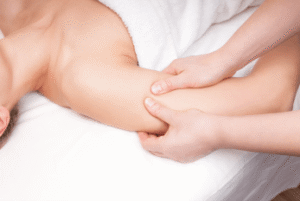
  • Stretch and release tightness: Hands-on therapy and guided stretches ease stiff muscles and improve blood flow.
  • Build strength and stamina: Targeted exercises help your legs resist fatigue so they can handle daily activity.
  • Practical advice: Simple tips on hydration, footwear, and daily habits to keep cramps from coming back.

Practical Tips for Daily Life

  • Stay hydrated (2-3 L/day, adjust for sweat).
  • Stretch calves, hamstrings, and lower back daily, ideally before bed.
  • Use supportive footwear or insoles if needed.
  • Take brief movement breaks every hour
  • Strengthen key muscles (glutes, calves) 2-3×/week.


Leg cramps and fatigue are common, but you don’t have to just ‘live with them.’ Proper assessment and a targeted plan can make a real difference.

Your Next Step

Ready to move better?

Book a consultation with one of our expert physiotherapists and start your recovery today.

Book a Consultation

Optokinetic Stimulation

Optokinetic stimulation is a treatment tool that uses moving visual patterns (like stripes or dots) to help desensitise the brain to motion and reduce symptoms of dizziness, disorientation, or visual overload. It’s particularly helpful when visual environments trigger or worsen your symptoms.

Read More »

Skull Vibration Test

The Skull Vibration Test uses a gentle vibration behind the ear to stimulate the balance organs of your inner ear and detect if there’s a difference between the left and right sides. It is often used as a simple but powerful screening tool when dizziness or imbalance seems one-sided.

Read More »

Videonystagmoscope (VNS)

VNS is a diagnostic tool that uses infrared video goggles to directly observe and analyse eye movements in real time. Since the eyes and inner ear are functionally linked, monitoring these movements helps determine whether a patient’s dizziness or imbalance is related to peripheral vestibular dysfunction or central causes.

Read More »

Video Head Impulse Test (VHIT)

The VHIT evaluates how well your vestibulo-ocular reflex (VOR) is working — the reflex that keeps your eyes steady when your head moves. It helps us determine whether your inner ear canals are functioning properly, especially when you feel dizzy or unfocused during quick movements.

Read More »

Physiotherapy for Every Body, Every Day

Physiotherapy is not just for when something goes wrong — it is for keeping things right. At KINETIKA in Dubai Hills, we combine precision assessment with evidence-based care to help you move better and live stronger.

Read More »

Why We Now Assess Every Patient in 3D

Something fundamental changed in how we practise physiotherapy at Kinetika when we introduced KinetiSense™ 3D motion capture. Here’s what we decided, why we decided it — and what it means for every patient who walks through our door.

Read More »