Written by the Kinetika Team, Kinetika Physiotherapy · Reviewed: September 2026
Winter in the UAE is everyone’s favorite season. The weather cools down, outdoor cafés fill up, and hiking trails finally open again. After months of avoiding the sun, we all head outdoors to make the most of it. But here’s something most people don’t realize: even though UAE winters are mild, the drop in temperature still affects your body, your muscles, joints, and overall mobility. At KINETIKA Physiotherapy Dubai, we see a noticeable rise in patients during the winter months from people complaining of stiffness and knee pain to weekend athletes who injure themselves during outdoor activities.
Why Cooler Weather Affects the Body
When the temperature drops, even slightly, your body reacts in small but noticeable ways:
- Muscles tighten up to preserve warmth, reducing flexibility.
- Blood flow slows down, meaning your joints take longer to “warm up.”
- Old injuries may feel sore again because of increased stiffness in surrounding tissues.
So while winter feels great for your mood, it’s not always great for your joints especially if you suddenly switch from being sedentary to very active.
Common Winter Activities (and Hidden Risks)
UAE’s winter invites all sorts of movement, hiking in Hatta, camping in Ras Al Khaimah, early morning jogs, or friendly paddle tennis matches. But here’s the catch; most people jump straight into these activities without proper warm-up or conditioning. If your body isn’t used to that kind of movement, even a short hike can lead to sore knees, tight calves, or lower back strain. We often treat:
- Runners who developed shin splints after returning to jogging too quickly
- People with shoulder or elbow pain from sudden tennis or paddle games
- Office workers who hurt their backs after a weekend camping trip
All because their bodies weren’t fully prepared for the change in movement or temperature.
How to Keep Your Body Winter-Ready
Winter doesn’t mean you should slow down, it just means you should move smarter.
Here are a few simple things you can do:
- Warm up properly: 5 to 10 minutes of light stretching or brisk walking before activity helps loosen tight muscles.
- Stay consistent: Don’t go from “no workouts” to “three intense sessions a week.” Build up gradually.
- Dress comfortably: Even in Dubai, early mornings and desert nights can be chilly to keep muscles warm.
- Stay hydrated: Cooler weather can make you forget to drink water, but dehydration still affects performance.
- Listen to your body: If you feel pain (not just soreness), that’s a sign to pause, not push.
How Physiotherapy Helps During Winter
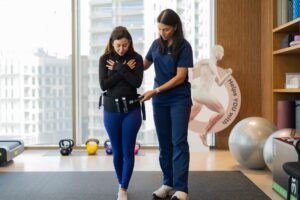
Physiotherapy isn’t only for recovery, it’s for prevention too. At KINETIKA Dubai, we help people stay active and injury-free throughout the cooler months by focusing on:
- Mobility work and stretching plans tailored to your lifestyle
- Strengthening exercises for joints and stabilizing muscles
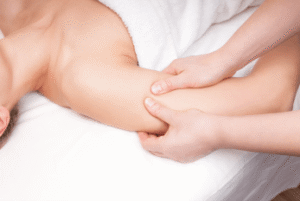
- Manual therapy and deep tissue release to reduce stiffness
- Recovery sessions for those returning to sport after a break
Even one or two guided sessions can help you understand how your body moves and what small changes can protect you from future pain.
Conclusion
Winter in the UAE is the season to enjoy being outdoors, not to spend it nursing sore joints. A little awareness, movement, and the right physiotherapy support can help you stay active, flexible, and pain-free all season long. So before you plan that next hike or tennis match, make sure your body is ready for it. And if it’s not we’ll help you get there. Book a movement assessment at KINETIKA Dubai and keep your body moving this winter, the right way.