Last Updated: November 7, 2026
Quick Summary
To book a private physiotherapy session, contact a licensed clinic directly by phone, WhatsApp, or website form with your main symptom, its start date, and your preferred times. Confirm the practitioner’s registration, the session length, fees in writing, and the cancellation policy before you commit.
- Write down your main symptom, when it started, and what makes it worse before contacting any clinic.
- Ask whether the practitioner is licensed and registered with the health authority, and confirm if a referral is needed for insurance.
- Confirm the notice period for cancellation, rescheduling terms, and late-arrival charges in writing by email or message.
- Ask whether the first visit is a standalone assessment or includes treatment, and how long it runs.
- For home visits, confirm the practitioner travels to your area, what equipment they bring, and how they protect your privacy.
Table of Contents
- Step 1: Confirm What You Need and Where to Start
- Step 2: Check Physiotherapy Appointment Requirements
- Step 3: Contact the Clinic and Book Your Slot
- Step 4: Understand Costs, Insurance, and Payment
- Step 5: Home Physiotherapy Booking and What Changes
- Step 6: Prepare for Your First Physiotherapy Session
- What to Ask Before You Commit to a Provider
- Book Your Assessment at KINETIKA
- Frequently Asked Questions
Step 1: Confirm What You Need and Where to Start
Booking a private physiotherapy session starts with one clear decision: what you want the physiotherapist to assess. A private physiotherapy session is a one-to-one appointment with a licensed practitioner, arranged directly by you rather than through a hospital queue. (Source: Ministry of Health and Prevention’s (MoHAP) guidelines on healthcare services)
Most people arrive with one of four goals:
- A new injury that needs assessment
- Ongoing pain that has not settled
- Rehabilitation after surgery
- A performance or mobility concern
Write down your main symptom, when it started, and what makes it worse. That single note shapes every question you ask next.
Clinic, Home, or Virtual: Which Format Fits
Clinic appointments are a common choice for first assessments. Home physiotherapy booking may suit people for whom travel is difficult, such as after surgery or for older adults. Virtual sessions can cover history-taking and exercise progression, but they cannot replace a hands-on assessment. Ask each provider which formats it offers.
Step 2: Check Physiotherapy Appointment Requirements
Physiotherapy appointment requirements vary by provider, so confirm them before you book. Most clinics ask for identification, a brief description of the problem, and any relevant medical records. Some insurers require a doctor’s referral before they process a claim, so check your policy first. The section below turns that into a reusable checklist you can apply to any provider, not just the first one you call.
Referral, Records, and Licensing Checks
Ask three things when you contact a clinic:
- Is the practitioner licensed and registered with the health authority?
- Do you need a referral for insurance purposes?
- What records should you send ahead of the visit?
Send imaging reports, operation notes, and a list of current medications if you have them. Healthcare practitioners must be licensed by the relevant health authority, and you can ask a clinic to confirm its practitioners’ registration. For guidance on what licensed care involves, see the Dubai Health Authority practitioner licensing information.
How to Assess a Physiotherapist’s Qualifications and Suitability
Licensing confirms a practitioner may practise; it does not confirm they are the right match for your problem. Ask four questions before you commit:
- What is your scope of practice and current registration status?
- How much experience do you have with my specific condition or surgery?
- Do you hold post-graduate training in a relevant area, such as musculoskeletal, sports, neurological, or post-operative rehabilitation?
- Who covers your patients when you are away, and will I see the same practitioner each visit?
A common pattern is that a clinician with deep experience in one area will say so plainly and refer you on when your case sits outside it. Vague answers to these questions are a signal to keep comparing.
What Information to Provide When Booking
A concise brief speeds up triage and helps the clinic assign the right practitioner. Prepare:
- Your main symptom, when it started, and what makes it worse or better
- Any diagnosis, scan results, or surgery date
- Current medications and relevant medical history
- Mobility needs, such as stairs, walking aids, or transport constraints
- Preferred days and time windows, and whether you need a specific language
Watch out: if you are booking on behalf of someone else, confirm whether the clinic needs the patient’s consent before discussing clinical details.
Cancellation, Rescheduling, and Late-Arrival Policies
These details are rarely volunteered and are the most common source of unexpected charges. Ask for the notice period for cancellation, whether rescheduling is free, how late arrival is handled, and whether a no-show is charged. Get the answer in writing, by email or message, so there is no dispute later. Home visits often carry different notice terms from clinic appointments, so confirm both if you may switch formats.
Here is a quick checklist of what most providers ask for before you book.
| Item | What to confirm |
|---|---|
| Identification | Asked for by most clinics |
| Problem description | Brief description of the issue |
| Medical records | Relevant records, imaging reports, operation notes |
| Doctor’s referral | Some insurers require it before a claim |
| Practitioner licensing | Licensed and registered with the health authority |
| Records to send ahead | Imaging reports, operation notes, medication list |
Step 3: Contact the Clinic and Book Your Slot
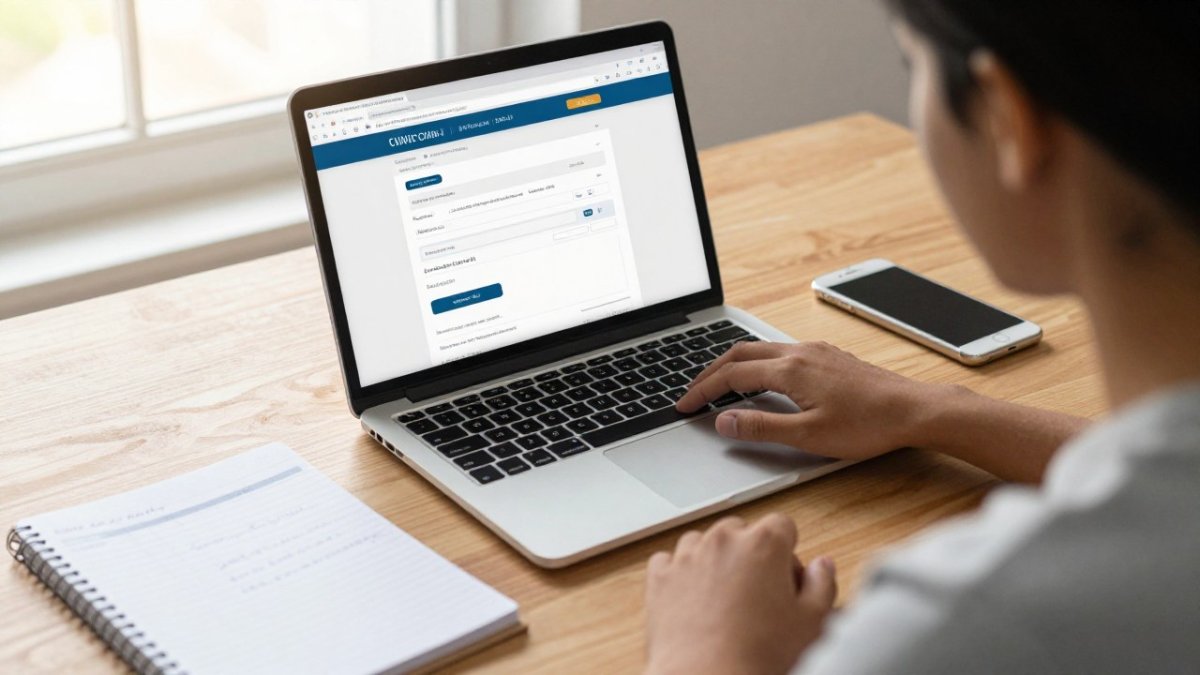
Booking usually takes three routes: a phone call, a WhatsApp message, or a website form. Have your diary open and know your preferred time windows before you reach out. Tell the clinic your main symptom in one sentence, then ask what the first appointment includes.
A Short Booking Script You Can Reuse
Keep it to five lines so the clinic can triage quickly:
- “I would like to book a private physiotherapy assessment.”
- “My main problem is [symptom], which started [when] and is worse when [trigger].”
- “I have [diagnosis or surgery date] and can send reports ahead.”
- “My preferred times are [windows], and I would like [language] if available.”
- “Can you confirm the session length, the practitioner’s name, and what I should bring?”
When you book, confirm the session duration, the practitioner’s name, and what to bring. If you are ready to act, you can book an appointment directly. Prefer to ask a question first? Use the contact page to reach the team.
Accessibility, Language, and Privacy Preferences
These are easy to overlook and hard to fix on the day. Confirm:
- Step-free access, parking, and whether the treatment room is on the ground floor
- Whether a chaperone can be present, and whether the clinic requires one
- The languages spoken by the practitioner, not just the reception team
- Whether treatment happens in a private room and how notes are stored
For home visits, ask how the practitioner protects your privacy, whether they bring equipment such as a treatment table, and what space you need to clear.
Confirm What the First Appointment Includes
Ask whether the first visit is a standalone assessment or includes treatment, how long it runs, and whether a written treatment plan and home exercises are provided. Confirm whether follow-up sessions are booked at the end of the first visit or separately.
Step 4: Understand Costs, Insurance, and Payment
Private physiotherapy pricing depends on the clinic, the practitioner’s seniority, session length, and whether the initial assessment is billed separately. Ask for the full fee structure in writing before you commit, including the assessment fee and any follow-up rates. For current prices or a quote, check KINETIKA’s website or contact the clinic directly.
Insurance coverage is the other half of the equation. Confirm four points:
- Whether your policy covers physiotherapy
- Whether a referral is required
- How many sessions are approved
- Whether the clinic bills your insurer directly or you pay and claim back
If cost is a concern, it helps to compare what affordable options include. You can review affordable physiotherapy options to understand what a lower-cost session typically covers.
Step 5: Home Physiotherapy Booking and What Changes
Home physiotherapy booking follows a similar process, with a few extra checks. Ask whether the practitioner travels to your area, what equipment they bring, and how they protect your privacy at home. Confirm the cancellation policy, since home visits often carry different notice terms. A home session suits post-surgical recovery and limited mobility, but it may not include the same assessment tools as a clinic.
Step 6: Prepare for Your First Physiotherapy Session
Your first physiotherapy session is mostly assessment. The practitioner reviews your medical history, asks about your symptoms, and watches how you move. Expect some hands-on testing of range of motion, strength, and mobility. You will usually leave with a treatment plan and some initial exercises.
What to Bring to Physiotherapy
Pack these before you go:
- Identification and insurance details
- Any referral letter
- Imaging reports and operation notes
- A list of medications
- Loose clothing you can move in
Arrive early, and tell the practitioner if anything is painful during the assessment.
What to Ask Before You Commit to a Provider
A few questions separate a thorough provider from a rushed one. Ask how the practitioner assesses the root cause, how progress is measured, and what a typical treatment plan looks like. Confirm the cancellation and late-arrival policies in writing. If privacy matters to you, ask whether treatment happens in a private room. Our guide to the signs of a good physiotherapy clinic sets out the criteria in more detail, and you can read more about our clinic before deciding.
Book Your Assessment at KINETIKA
Choosing where to book comes down to assessment quality, privacy, and clear communication. KINETIKA offers DHA-licensed physiotherapy in private rooms, with assessment-led care and a multilingual team fluent in English, Arabic, French, and Turkish. Individualised treatment plans blend manual therapy and movement science. Book your assessment today.
A good first session gives you clarity, not just temporary relief. Book with KINETIKA and take the first step toward moving freely again.
Frequently Asked Questions
Do I need a doctor’s referral to book a private physiotherapy session?
In most cases you can book a private physiotherapy session directly without a referral. Some insurance plans require one before they reimburse treatment, so check your policy first. If you have had surgery or have a complex condition, bringing a doctor’s note and any imaging reports helps the physiotherapist plan your assessment. Ask the clinic when booking whether a referral affects your coverage, and confirm what documents they want before your first physiotherapy session.
How can I check whether a physiotherapist is licensed?
Ask the clinic to confirm that its practitioners are licensed and registered with the Dubai Health Authority, and request the therapist’s name and credentials in writing when you book. A reputable provider will share this without hesitation. You can also ask about the therapist’s specific training for your condition, such as post-surgery rehabilitation or sports injury management. Licensing is a baseline; matching the therapist’s experience to your problem matters just as much.
What information should I provide when booking physiotherapy?
Give the clinic your main complaint and how long you have had it, any surgery or recent injury, relevant medical history such as diabetes or hypertension, current medication, and whether you have imaging or doctor’s reports. Mention your preferred times, language preference, and whether you need a home visit. Sharing this upfront lets the clinic match you with the right physiotherapist and set aside enough time for a full initial assessment rather than a rushed consultation.
Can I book a physiotherapy session at home?
Yes, many providers offer home physiotherapy booking for patients who cannot travel easily, are recovering from surgery, or prefer privacy. When booking, confirm the therapist brings portable equipment, ask about any call-out charge on top of the session fee, and check the cancellation policy since home slots are harder to refill. Home visits suit mobility work and early rehabilitation; clinics remain better for equipment-based assessment and hands-on treatment that needs specialized tables or machines.