Pregnancy related low back pain

Pregnancy is often an exciting journey, but it can also bring physical discomfort that affects daily life, movement, and overall well-being. Common issues like low back pain and pelvic girdle

— min read
Pregnancy is often an exciting journey, but it can also bring physical discomfort that affects daily life, movement, and overall well-being. Common issues like low back pain and pelvic girdle pain (PGP) affect many expectant mothers and can interfere with everyday activities. Fortunately, these symptoms can be managed effectively. At KINETIKA we offer safe, evidence-based techniques to relieve pain and support a more comfortable, active pregnancy.

What Causes Back and Pelvic Pain During Pregnancy?

Pregnancy-related low back pain and PGP result from a mix of physical and hormonal changes:

  • Hormones (Relaxin & Progesterone): These loosen ligaments to prepare for childbirth but can also decrease joint stability.
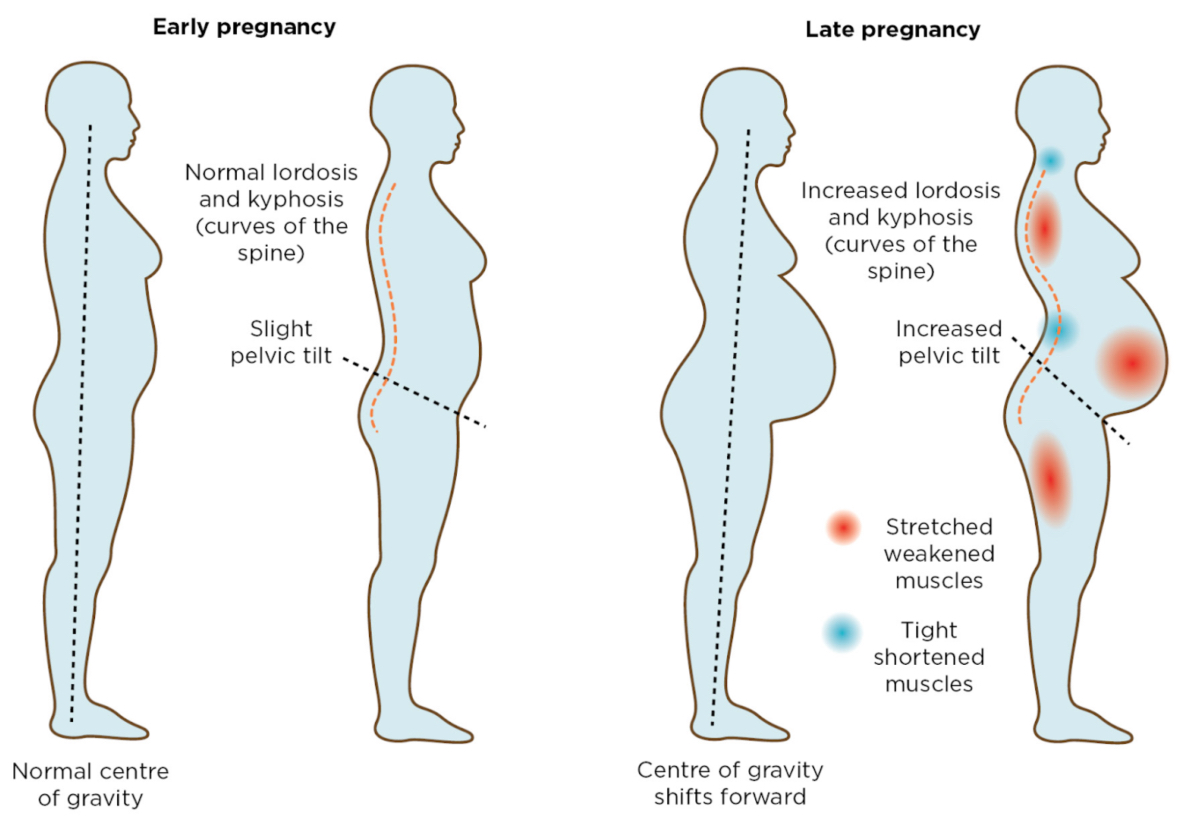
  • Postural changes: A growing baby shifts your center of gravity, increasing pressure on the spine and pelvis.
  • Pelvic load: Extra weight places stress on the sacroiliac joints and pubic symphysis.
  • Muscle imbalance: Abdominal and gluteal muscles become weaker or overstretched, reducing core and pelvic support.
Daily Life Struggles with Low Back and PGP in Pregnancy

These conditions can range from mild aches to severe, movement-limiting pain. Symptoms may appear early or later in pregnancy.

  • Pain when walking, climbing stairs, or standing for long periods
  • Difficulty turning in bed or rising from a chair
  • Trouble doing daily tasks like cooking, cleaning, or lifting
  • Interrupted sleep due to discomfort at night
  • Reduced ability to exercise or enjoy social activities

Beyond physical limitations, pregnancy back pain and PGP can impact mood, energy, and overall quality of life.

How Physiotherapy Can Help

Physiotherapy is a safe, effective, and drug-free approach to managing pregnancy-related pain and discomfort. At KINEITKA, we follow international best practices, adapting them to meet the unique needs of each expectant mother.
Our physiotherapy programs aim to reduce pain, improve movement, and support a more comfortable pregnancy. Depending on your condition and stage of pregnancy, treatment may include:

  1. Education and Posture Guidance
  2. Manual Therapy
  3. Pregnancy safe modalities (e.g. TENS, Dry needling…)
  4. Pregnancy-Safe Exercises
  5. Advising on Pelvic Support Options
  6. Lifestyle and Activity Modifications

Final thought

Low back pain and pelvic girdle pain are common in pregnancy yet manageable. They don’t have to disrupt your daily life or limit your experience of this special time. With the right guidance, you can stay comfortable, active, and prepared for the journey ahead.
At KINETIKA, we support women through every stage of pregnancy, helping their bodies adapt to changes and preventing discomfort from becoming overwhelming. If you’re already experiencing pain, know that help is available. You don’t need to wait until after delivery to feel better. In fact, without proper care, pregnancy-related pain can continue into the postpartum period and even beyond.
Your Next Step

Ready to move better?

Book a consultation with one of our expert physiotherapists and start your recovery today.

Book a Consultation

Optokinetic Stimulation

Optokinetic stimulation is a treatment tool that uses moving visual patterns (like stripes or dots) to help desensitise the brain to motion and reduce symptoms of dizziness, disorientation, or visual overload. It’s particularly helpful when visual environments trigger or worsen your symptoms.

Read More »

Skull Vibration Test

The Skull Vibration Test uses a gentle vibration behind the ear to stimulate the balance organs of your inner ear and detect if there’s a difference between the left and right sides. It is often used as a simple but powerful screening tool when dizziness or imbalance seems one-sided.

Read More »

Videonystagmoscope (VNS)

VNS is a diagnostic tool that uses infrared video goggles to directly observe and analyse eye movements in real time. Since the eyes and inner ear are functionally linked, monitoring these movements helps determine whether a patient’s dizziness or imbalance is related to peripheral vestibular dysfunction or central causes.

Read More »

Video Head Impulse Test (VHIT)

The VHIT evaluates how well your vestibulo-ocular reflex (VOR) is working — the reflex that keeps your eyes steady when your head moves. It helps us determine whether your inner ear canals are functioning properly, especially when you feel dizzy or unfocused during quick movements.

Read More »

Physiotherapy for Every Body, Every Day

Physiotherapy is not just for when something goes wrong — it is for keeping things right. At KINETIKA in Dubai Hills, we combine precision assessment with evidence-based care to help you move better and live stronger.

Read More »

Why We Now Assess Every Patient in 3D

Something fundamental changed in how we practise physiotherapy at Kinetika when we introduced KinetiSense™ 3D motion capture. Here’s what we decided, why we decided it — and what it means for every patient who walks through our door.

Read More »