Quick Summary
Movement science for pain management uses gradual, planned activity to help the body adapt, reduce fear of movement and ease long-term pain. Pain and inactivity can feed each other, so a progressive plan built with a clinician often helps people move with more confidence.
- Pain and reduced movement can reinforce each other, so gentle, well-paced activity often helps.
- Pain neuroscience education explains how the nervous system influences pain and can reduce fear.
- Graded exercise starts at a level you can repeat and increases one variable at a time.
- Judge progress by next-morning symptoms, not same-day pain during activity.
- Seek prompt clinical assessment for numbness, weakness, bladder or bowel changes, or night pain that is worsening.
Table of Contents
- How Pain and Movement Influence Each Other
- Pain Neuroscience Education: Why the Nervous System Matters
- Fear of Movement, Avoidance and Pain-Related Beliefs
- Graded Exercise for Chronic Pain: Building a Progressive Plan
- How to Exercise with Chronic Pain: Movement Options by Ability
- Exercise for Persistent Pain: Measuring Progress Beyond Pain Scores
- Booking Your Movement Assessment at KINETIKA
- Frequently Asked Questions
Movement science for pain management is an approach that looks at how the body moves, how the nervous system responds to pain, and how gradual, planned activity can help people live with and recover from long-term pain. Can Movement Science Ease Chronic Pain? For many people, the answer is yes, but the route depends on understanding why pain persists in the first place.
Chronic pain is pain that lasts beyond the normal healing period, often three months or more. Physiotherapy and rehabilitation practices in Dubai focus on assessment-led care, and the approach below reflects how movement-based pain care is generally understood.
How Pain and Movement Influence Each Other
Pain and movement are closely linked, and each can make the other worse. When a joint or muscle hurts, people tend to move less. Less movement can lead to stiffness, weaker muscles and lower fitness, which can make everyday tasks feel harder and pain feel more intense.
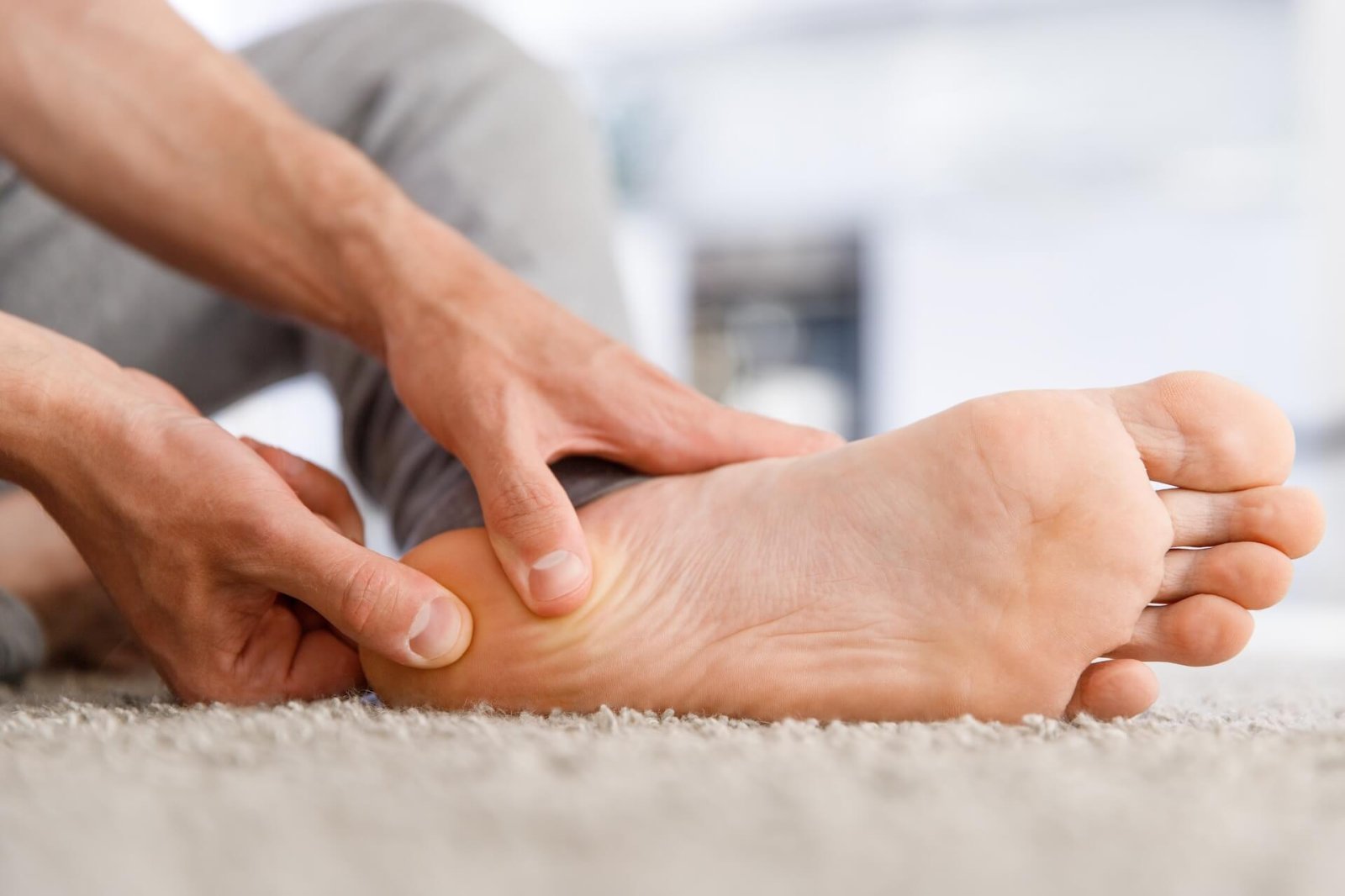
Movement is not the enemy of pain. In most cases of musculoskeletal pain, gentle and well-paced activity helps the body adapt. Understanding this relationship is the first step toward a plan that works.
- Pain often limits movement, and reduced movement can increase sensitivity
- Gradual activity can improve strength, mobility and confidence
- Sudden large increases in activity are a common cause of flare-ups
Pain Neuroscience Education: Why the Nervous System Matters
Pain is not just a signal from damaged tissue. The nervous system plays a central role in how pain is produced and felt. Pain neuroscience education teaches patients how this system works, which can reduce fear and make pain easier to manage.
When people understand that pain can be sensitive to stress, sleep, activity levels and past experiences, they often feel more in control. Many patients find that learning this changes how they approach movement.
Watch out: Learning about the nervous system does not mean your pain is “all in your head.” Pain is real, and it deserves a proper assessment.
Fear of Movement, Avoidance and Pain-Related Beliefs
Fear of movement is one of the most common barriers to recovery. A person who has been hurt may avoid certain actions for fear of making things worse. Over time, this avoidance can lead to deconditioning, which increases pain and reinforces the fear.
Beliefs matter too. Thoughts such as “movement will damage my back” can influence how much someone does and how they feel. Addressing these beliefs, with clear information and supported exposure to safe activity, is a core part of movement-based pain care.
- Notice which activities you avoid, and why
- Ask a clinician which movements are safe for your condition
- Revisit activities gradually instead of avoiding them completely
Graded Exercise for Chronic Pain: Building a Progressive Plan
Graded exercise means starting at a level of activity your body currently tolerates and increasing it in small, planned steps. The goal is not to push through pain but to build capacity steadily. A long-form rehabilitation guide walks through the same principles in more depth. A physiotherapist usually guides this process.
Step 1: Set a baseline you can repeat. Choose an activity, walking, sit-to-stand, a light resistance exercise, and find the amount you can do on two consecutive days without a significant increase in symptoms the next day. That is your baseline. Starting below your perceived maximum is a common approach, because overdoing it often shows up the following day.
Step 2: Progress one variable at a time. Increase only time, repetitions, or load, not all three at once. Progression is usually slow and planned with a clinician. If symptoms settle within 24 hours and function is stable, continue. If not, hold at the previous level rather than stopping altogether.
Step 3: Track the next-day response, not the same-day response. Same-day pain during activity is a poor guide because it is influenced by attention, adrenaline and expectation. The next-morning response is more informative. A simple diary of activity, pain and function helps reveal patterns.
Step 4: Build toward a meaningful goal. Progress should connect to something you want to do, walking to the local shop, carrying shopping bags, returning to a hobby. Goals give the plan direction and a way to measure success beyond pain scores.
A worked example: if you can walk 10 minutes comfortably on two consecutive days, hold that for a week, then add 2-3 minutes the following week, and repeat. For a step-by-step plan for chronic lower back pain, see how this progression applies to the lower back. If a flare-up occurs, drop back to the last comfortable level for a few days and resume progression once symptoms settle.
Pacing and Managing Flare-Ups
Pacing means balancing activity and rest so you do not overdo it on good days and then pay for it later. A flare-up is a temporary increase in pain that can happen even with a well-designed plan; it is not automatically a sign of damage.
Clinicians often use simple reviews of how symptoms respond to activity, and a physiotherapist can help you set your own thresholds.
When a flare-up happens, reduce activity slightly rather than stopping completely. Gentle movement such as short walks and range-of-motion exercises is often kept in place during a flare-up rather than complete rest. Return to the plan once symptoms are back to their usual level. If a flare-up persists or is accompanied by new symptoms, seek a clinical review.
Watch out: Pacing is not the same as avoiding activity. Repeatedly resting until pain is zero can reinforce fear of movement and slow recovery; the aim is to stay active at a tolerable level.
How to Exercise with Chronic Pain: Movement Options by Ability
There is no single exercise that suits everyone. Movement options should be adapted to your current ability, the type of pain you have, and what you can realistically do this week. The table below offers starting points, not prescriptions, a physiotherapist can help you choose and progress them safely.

| Ability level | Example movements | Main focus |
|---|---|---|
| Limited mobility | Seated range-of-motion, chair-based marching, gentle stretching in bed | Comfort, joint motion, circulation |
| Moderate ability | Walking, sit-to-stand, light resistance bands, water-based activity | Strength, endurance, confidence |
| Good ability | Gym-based strength work, cycling, sport-specific drills | Performance and return to activity |
Adapting by condition. Exercise choices vary by the area and type of pain, and a physiotherapist can help you select options suited to your condition. These are general patterns, not rules, individual response varies.
Adapting by fitness level. If you have not exercised in months, start with 5-10 minute sessions and build frequency before duration. If you are already active, keep the sessions you enjoy and adjust load rather than stopping.
Adapting by mobility limitation. Seated and supported options are legitimate exercise, not a lesser version. Chair-based strength work, supported standing exercises and water-based activity can all build capacity.
Mind-body movement. Tai chi, yoga and gentle Pilates combine movement with attention and breathing, and many people with persistent pain find them easier to start than conventional gym work. They are not a substitute for strength and aerobic activity long term, but they are a reasonable entry point.
Home-based options such as short walks, stretching routines and bodyweight exercises can also be part of a plan. A physiotherapist can help you choose the right options and show you how to perform them safely.
Safety guidance and when to seek clinical assessment. Stop and seek prompt assessment if you notice new numbness, weakness, loss of bladder or bowel control, unexplained weight loss, fever, or pain that wakes you at night and is getting worse. These are red flags that need clinical review rather than a self-guided plan. If you have a known condition such as osteoporosis, recent surgery, or a cardiac or respiratory condition, get clearance before starting a new programme.
Watch out: A common mistake is choosing an exercise because it is popular rather than because it matches your current ability. Start with what you can repeat comfortably, then progress.
Exercise for Persistent Pain: Measuring Progress Beyond Pain Scores
Pain scores are useful, but they do not tell the full story. Progress can also be measured through function and quality of life. Useful measures include how far you can walk, how long you can sit or stand, how well you sleep, and how confident you feel doing daily tasks.
Setting specific goals helps. For example, “walk to the local shop without stopping” or “return to lifting my shopping bags” gives you a clear target and a way to see improvement over time.
Booking Your Movement Assessment at KINETIKA
If you are living with chronic pain, a proper assessment is the best place to start. At KINETIKA, our assessments look at how your body moves, what may be contributing to your pain, and what a safe, progressive plan could look like for you. If your pain involves the knee, you can book a knee-specific physiotherapy assessment in Dubai. Our team is DHA licensed, and our practitioners work in private rooms with valet parking available. If you are ready to act, our guide on how to book a private physiotherapy session explains each step. Care is available in English, Arabic, French and Turkish.
Book your assessment today to find out whether a movement-based plan could help you move with more confidence.
Frequently Asked Questions
What is movement science in pain management?
Movement science looks at how the body moves, how the nervous system responds to movement, and how activity levels affect pain over time. In pain management it is used to design gradual, individualized exercise rather than rest or avoidance alone. Its aim is to restore function and confidence in daily activities. Because every person’s pain pattern differs, a qualified physiotherapist usually assesses movement first and then plans progression. General information like this cannot replace a consultation with a qualified professional who can examine you.
Can movement help with chronic pain?
Movement is commonly included in chronic pain management because long periods of inactivity can reduce strength, tolerance and confidence. Gentle, progressive activity is often used to rebuild function, though the right approach depends on the cause and severity of the pain. Movement should be introduced with a clear plan and adjusted to how your body responds. If pain changes sharply or new symptoms appear, seek clinical assessment before continuing.
How do you start exercising when you have persistent pain?
Starting usually means choosing low-intensity movements you can tolerate, keeping sessions short and tracking how you feel the following day. Many people begin with walking, gentle mobility work or light strengthening, then increase duration or load in small steps. Pacing helps you avoid large swings between overdoing and doing too little. A physiotherapy assessment can help set a starting point and safe limits for your situation.