Written by the Kinetika Team, Kinetika Physiotherapy · Reviewed: September 2026
By Jimy Haddad | Physiotherapist at KINETIKA Physiotherapy Dubai
Have you ever noticed knee pain after sitting through a long movie, a flight, or even during a meeting? This common symptom is known as the “Movie Sign”. It’s strongly linked to Patellofemoral Pain Syndrome (PFPS), one of the most frequent causes of anterior knee pain.
At KINETIKA Physiotherapy Dubai, we often treat patients with this condition and the good news is: with the right care, recovery is very possible.
What Is the Movie Sign (Patellofemoral Pain)?
The Movie Sign refers to pain at the front of the knee (around or behind the kneecap), especially when the knee stays bent for a long time.
Common triggers:
- Sitting for long periods (cinema, car rides, office desk)
- Climbing stairs or walking downhill
- Squatting, running, or jumping activities
Causes of Patellofemoral Pain
The pain usually comes from increased pressure between the kneecap (patella) and thigh bone (femur). This can happen due to:
- Muscle imbalances: weak quadriceps, glutes, or tight hamstrings
- Foot posture & biomechanics: flat feet, overpronation, or poor footwear
- Overuse or training errors: sudden increase in running/jumping volume
- Poor patellar tracking: kneecap not gliding smoothly in its groove
Symptoms of the Movie Sign
Patients typically describe:
- A dull, aching pain in the front of the knee
- Pain after sitting with knees bent for a long time
- Clicking or grinding sensations under the kneecap
- Pain when climbing stairs, squatting, or running
How Physiotherapy Helps Patellofemoral Pain
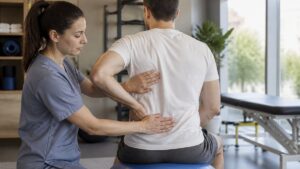
Physiotherapy is the gold standard treatment for PFPS and the Movie Sign. At our clinic, treatment is always personalized and may include:
- Strengthening exercises: focus on quadriceps, glutes, and hip stabilizers
- Stretching & mobility: hamstrings, calves, and IT band
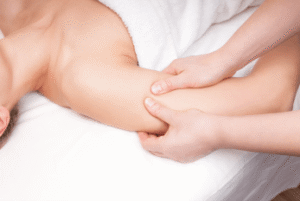
- Manual therapy & soft tissue release: to improve patellar tracking
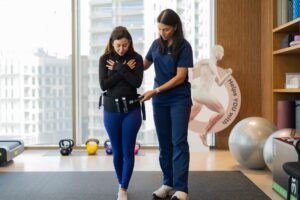
- Gait & posture analysis: correcting movement patterns that overload the knee
- Custom insoles (orthotics): when foot mechanics contribute to knee pain
- Advanced therapies: TECAR, shockwave, or taping for faster recovery
Self-Care & Home Tips
- Take short breaks to stretch when sitting for long periods
- Strengthen hip and thigh muscles regularly
- Wear supportive shoes if you have flat feet
- Avoid sudden increases in running/jumping activities
When to See a Physiotherapist in Dubai
If knee pain has lasted more than a few weeks, or if it interferes with your sport or daily life, it’s time to get checked. Early physiotherapy can prevent the pain from becoming chronic.
The Movie Sign is a classic symptom of Patellofemoral Pain Syndrome, and it’s very treatable. With the right physiotherapy program, you can reduce pain, improve strength, and get back to your normal activities without discomfort.